
+86-574-83036520
Michael.Dong@innovaw.com
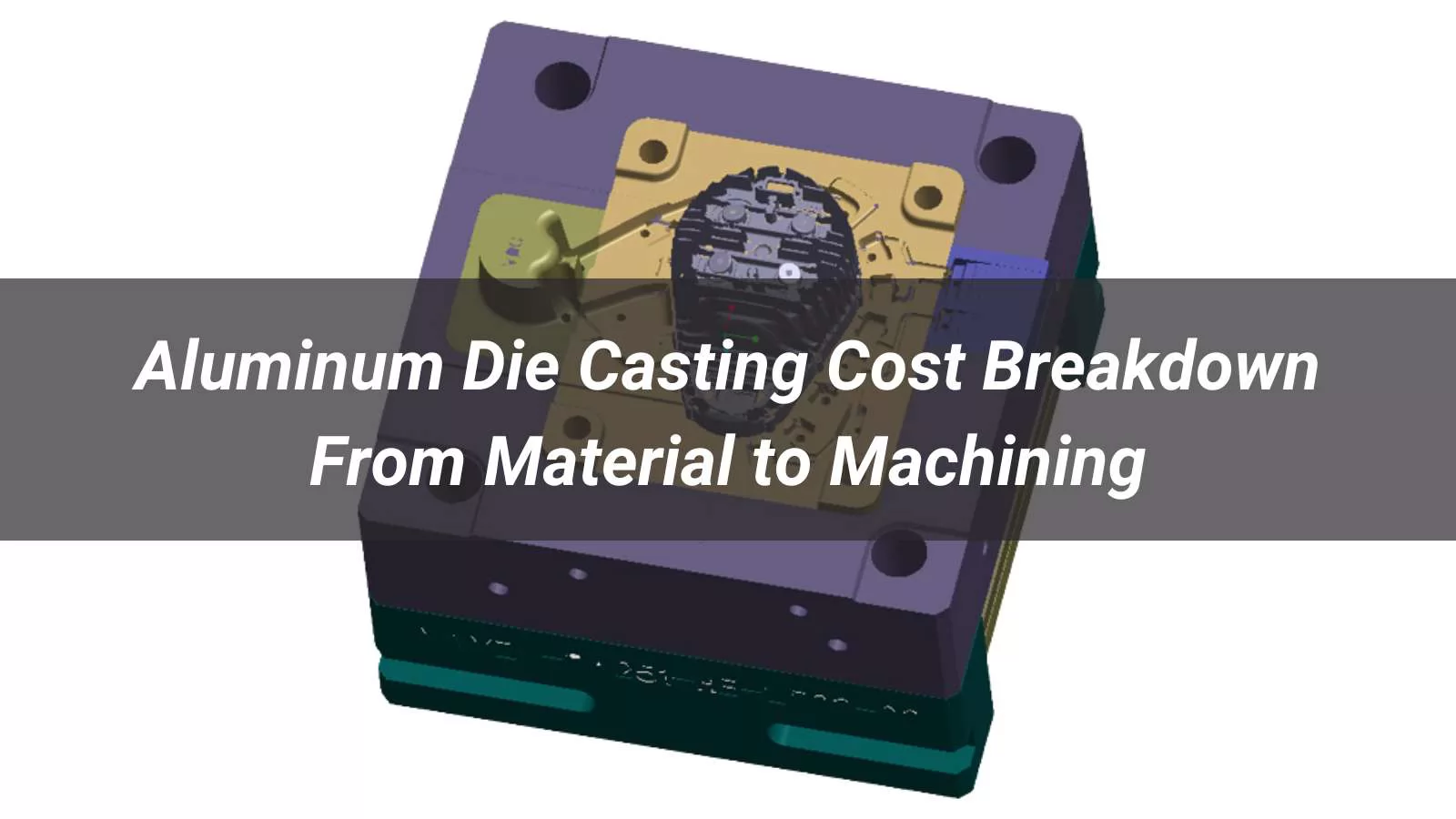
Aluminum die casting costs vary considerably from one project to the next — and understanding why requires looking beyond the unit price to the full range of factors that shape it. Multiple casting processes are available in the market, including high-pressure die casting, low-pressure die casting, gravity casting, investment casting, and sand casting, each suited to different product requirements and volume thresholds. Selecting the right process for a given application is one of the earliest and most consequential cost decisions in any casting project.
Using high-pressure aluminum die casting as the primary example, this article breaks down the key cost drivers at each stage of production — raw material selection, mould complexity, machine tonnage, machining requirements, and surface finishing — and explains how decisions made at the design stage ripple through to the final unit cost. The goal is to give engineers, product designers, and procurement professionals a clearer framework for evaluating quotes, optimising designs, and making well-informed sourcing decisions.
Table of Contents
Choosing the wrong casting method is like using a sledgehammer to crack a nut. It works, but it costs you time and money. Let's break down the core differences.
Before you ask for a quote, check how each process impacts your tooling budget and per-unit price.
| Process | Tooling Cost (Relative) | Unit Cost (Relative) | Min. Batch Size | Typical Precision (IT Grade) | Min. Wall Thickness |
|---|---|---|---|---|---|
| High-Pressure Die Casting | Very High ($10k – $100k+) | Low | 5,000+ | IT6-8 | 0.8 mm |
| Low-Pressure Die Casting | Medium ($5k – $20k) | Medium | 1,000+ | IT8-10 | 2.5 mm |
| Gravity Casting | Low ($2k – $10k) | Medium-High | 500+ | IT10-12 | 3.0 mm |
| Sand Casting | Very Low ($500 – $5k) | High | Any (prototype friendly) | IT12-14 | 4.0 mm |
Notice the trend? High-pressure die casting demands the heaviest upfront investment. However, the per-unit price plummets as your volume climbs. The real question is: where is your break-even point?
Let's make this tangible with a real-world example from our production floor in 2025.
A client ordered 80,000 automotive sensor housings. Sand casting offered a cheap $3,000 tool. But each part required heavy CNC machining, pushing the unit cost to $12.
High-pressure die casting required a $45,000 steel mold. Yet, each part came out of the machine fully formed at just $3.5 per unit.
The math was undeniable: Sand casting totalled ~$963,000. Die casting totalled ~$325,000. By choosing the right process, they saved over $600,000. That is the power of scaling.
To better understand how each factor contributes to the overall cost, we will examine the main components step by step, from raw materials to batch size considerations. This detailed breakdown will provide a clear picture of what drives aluminum die casting expenses and where potential savings can be achieved.
In large-scale aluminum casting production, raw material cost always occupies the largest portion of total cost. The cost depends on the alloy type and the weight of the casting. For reference, the following chart shows aluminum prices on the London Metal Exchange on January 30, 2026.
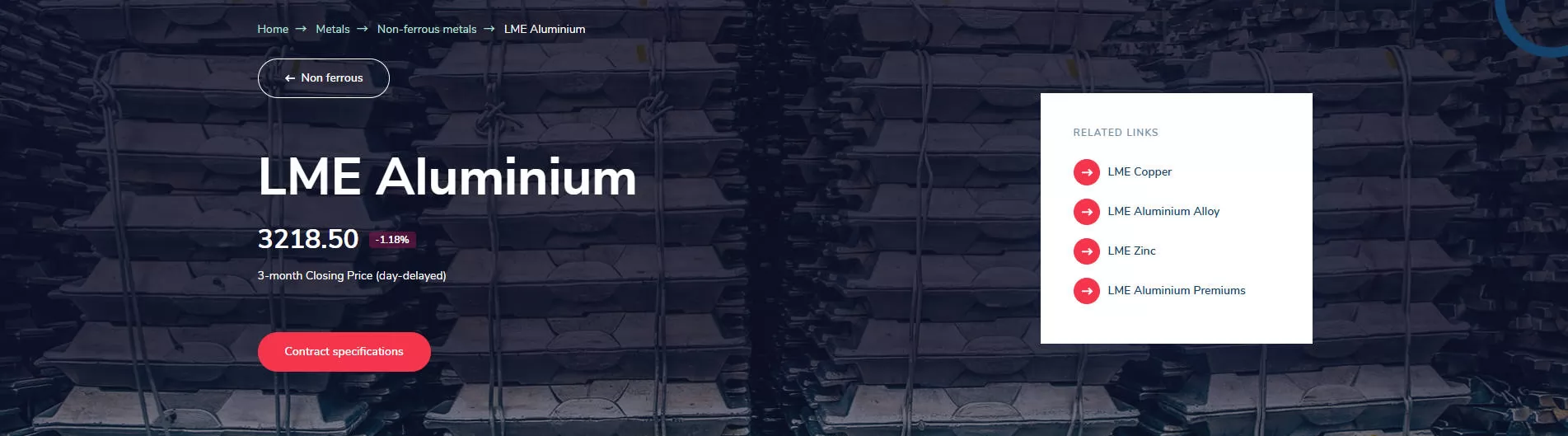
As aluminum prices continue to rise, raw material costs account for an increasingly larger proportion of total aluminum casting costs. Different types of aluminum, such as ADC12 and K-Alloy, have different prices. Typically, raw material costs account for 40% to 60% of total aluminum casting costs. This portion of the cost is usually calculated according to the international standard aluminum price at the time of order, following the market. We generally use “unit material price × product weight” to determine material costs; the heavier the product, the higher the material cost.
Although aluminum is a recyclable material, and scrap and defective parts in the casting process can be reused, some material loss is inevitable. Even though engineers carefully consider product design and try to minimize waste such as runners and gates, material loss still occurs. In the industry, material loss during casting typically ranges from 5% to 10%, while Innovaw Mechanical can control the loss ratio to 5% or even lower.
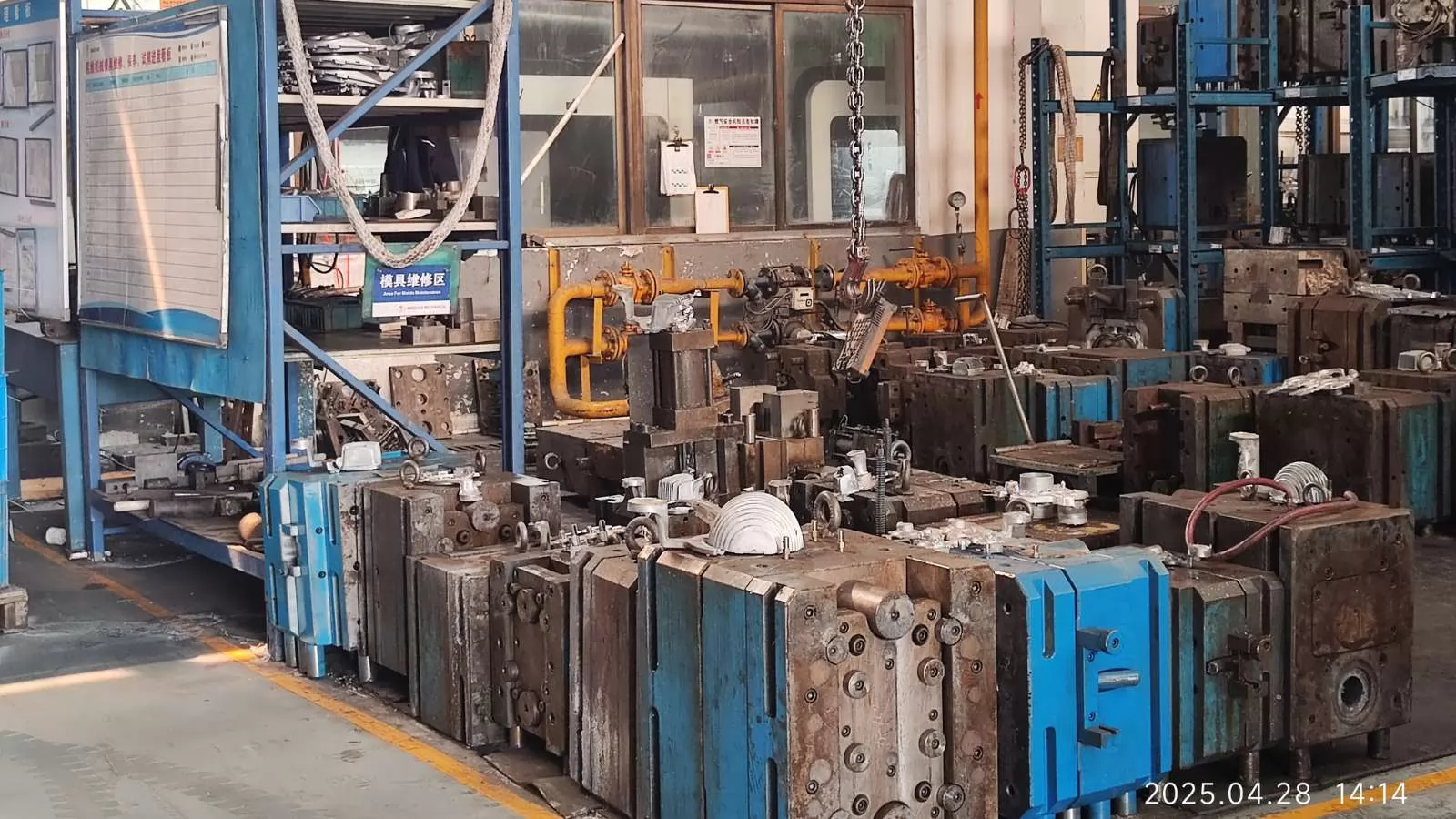
Professionals in manufacturing know that molds, materials, and operational costs are the main drivers of aluminum casting costs. Among various aluminum casting processes, high-pressure die casting molds usually have the highest cost. This is mainly because:
Thus, a standard high-pressure die casting mold can cost from several thousand to tens of thousands or even hundreds of thousands of US dollars, depending on product design. This can be a significant initial cost for customers; however, because high-pressure molds have a very long service life, under optimal conditions, mold inserts can last 50,000 to 100,000 parts. When spread over the number of products, mold cost per part may not be very high.
Additionally, there may be subsequent costs for trimming dies, specialized CNC fixtures, and other mold-related expenses depending on product requirements.
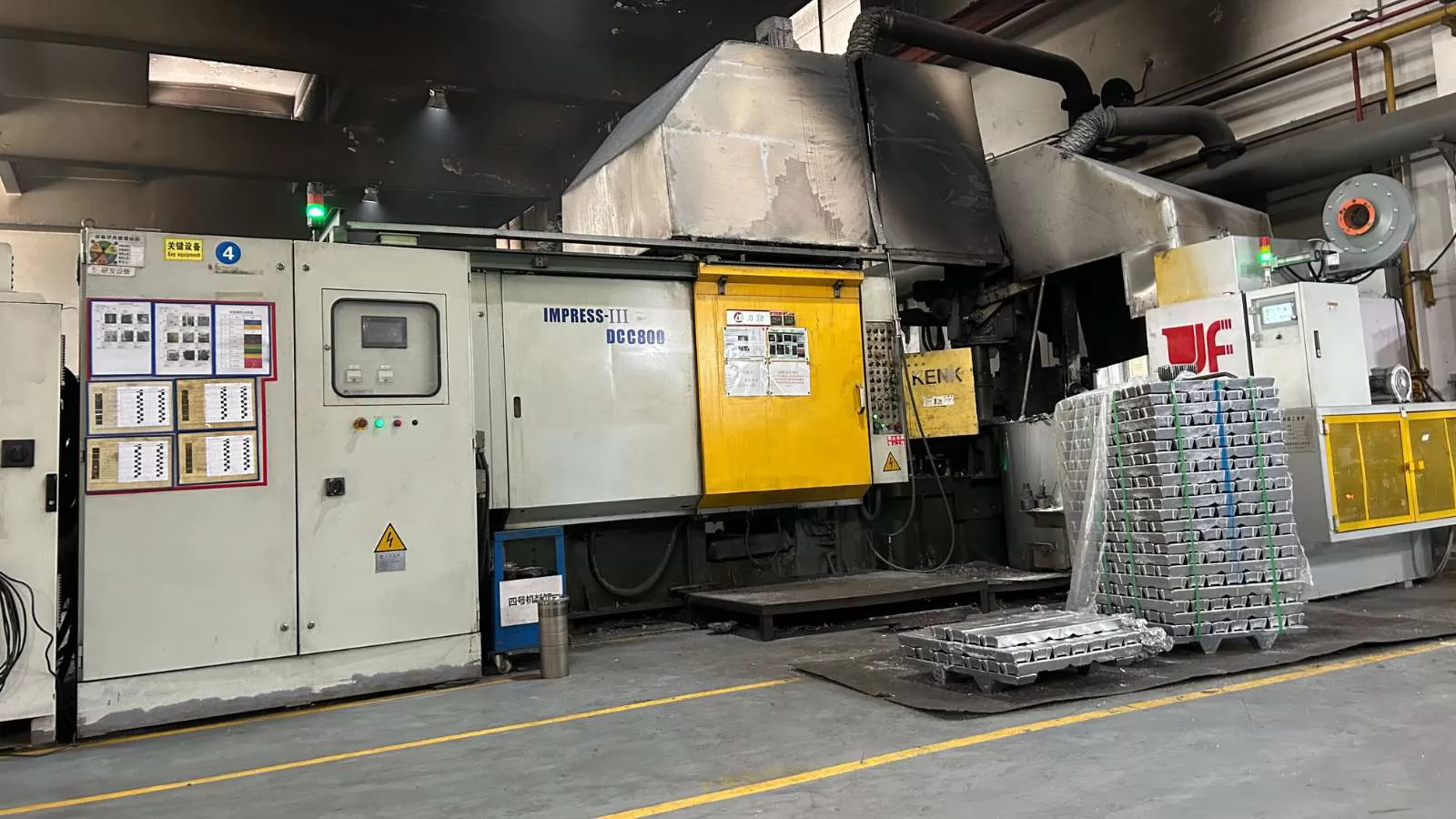
In high-pressure die casting machines, the cost varies significantly depending on the machine tonnage. For example, at Innovaw Casting, machines range from 280 tons to 3,000 tons, and the operational costs vary greatly. This portion of cost typically includes depreciation of the die casting machine, energy consumption, system operation costs, maintenance and repair allocation, and basic labor. The formula for this cost can be expressed as: required clamping force × cycle time × unit time equipment cost. Therefore, if a casting can be produced on a smaller machine, significant cost savings can be achieved.
Case example: In 2025, a customer requested production of a 70cm × 5cm aluminum part. Conventionally, this would require an 800-ton die casting machine, but after precise engineering design, a 500-ton machine was used instead, saving approximately 10% in production costs. The customer was very satisfied with the quote.
Furthermore, mold design for part ejection is also an important cost factor. Single-cavity, double-cavity, or even four-cavity molds create significant cost differences. Therefore, excellent mold design can greatly reduce costs. Machine cost typically accounts for 5%–10% of total cost.
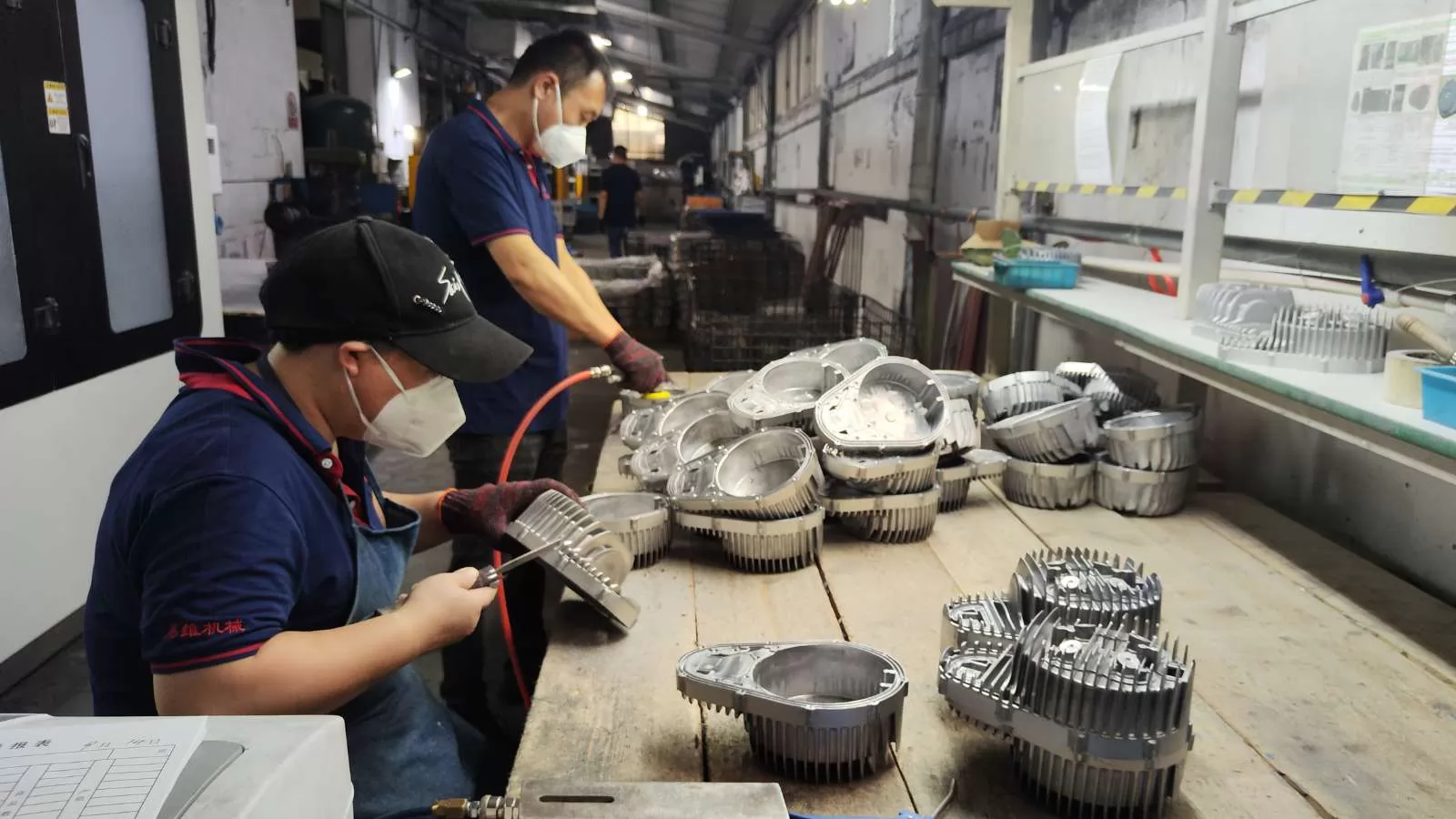
After coming out of the die casting machine, castings require trimming of gates, flash removal, deburring, and sometimes polishing. Differences in product requirements and designs result in significant cost variations. This stage is mainly labor-intensive and reflects efficiency control. As modern manufacturing increasingly adopts automation, this cost is decreasing. Typically, post-casting processing accounts for 1%–3% of total cost.
Except for a very few aluminum castings that require no machining, almost all products undergo post-casting machining. Machining cost varies widely depending on processing time, equipment type, machining complexity, precision requirements, batch size, and casting quality stability and process risks. The most important factor is machining time, which depends on the number of machining steps, time per step, amount of finishing, and whether deep drilling, threading, or cavity milling is required. Simply put, the longer the machining time, the higher the quote.
Machining difficulty (shape + process risk), precision, and surface finish requirements are key factors driving cost differences. Different dimensional tolerances, surface roughness, and flatness requirements can lead to geometric increases in cost. Therefore, CNC machining is a major component of total aluminum casting cost and can vary widely, sometimes accounting for only 10% or up to 60% of total cost.
Depending on the customer's product requirements, surface treatments such as powder coating, anodizing, chromitization, passivation and phosphating, Teflon, or nickel plating can result in different costs.
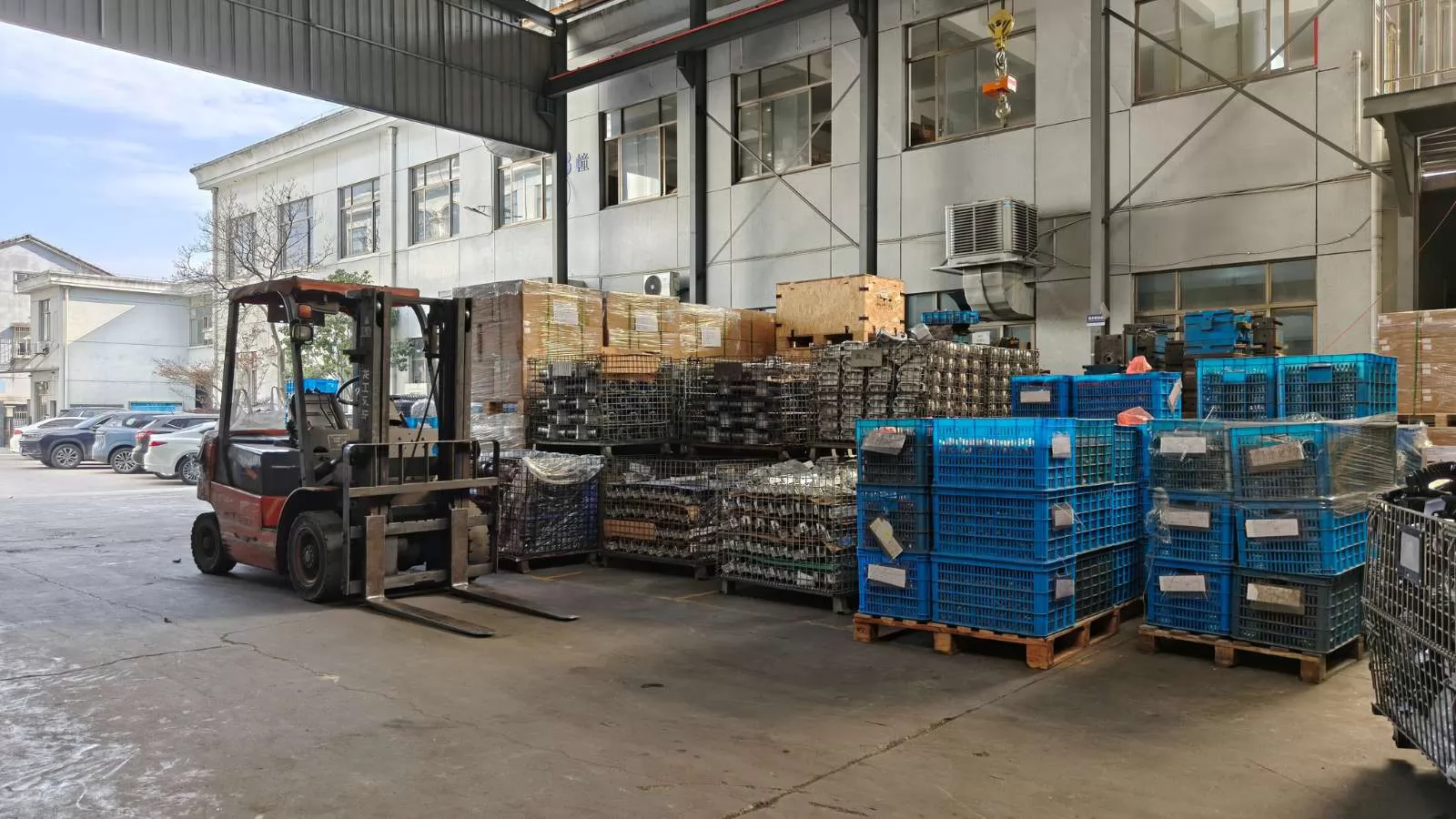
While packaging and transportation costs are generally minor, they are not negligible and may account for 2%–3% of total cost.
As a law-abiding company, taxes must be considered in cost accounting, which can account for up to 10% of total cost.
In modern manufacturing, raw material cost is important but not decisive. It mainly depends on product design and requirements. The simpler the design, the closer the price approaches raw material cost; the more complex the product, the smaller the proportion of raw material cost in total cost. Another key factor is batch size. Due to economies of scale and mold amortization, small-scale and large-scale production result in different unit costs. For example, a batch of 5,000 die castings may cost $10 per part, whereas 50,000 pieces may reduce to $8 per part.
To provide accurate quotes, Innovaw engineers need precise data collection and reliable modeling technology to estimate aluminum casting costs accurately. Advanced methods help predict costs before production and ensure products remain competitive throughout their lifecycle.
Engineers first conduct preliminary DFM (Design for Manufacturability) analysis, which, besides confirming manufacturability, focuses on cost control, including mold structure, machine tonnage, process stability, and minimizing post-processing and scrap rates.
After DFM analysis, engineers build CAD models using key geometric product data to determine volume and weight, then use London Metal Exchange (LME) data to set per-kilogram aluminum casting cost. Combined with historical company production data, reasonable cost estimations are made for each stage, enabling delivery of professional and reliable quotes to clients.
When a buyer sees two quotes, they naturally pick the cheaper one. But here is the trap. The lowest price often hides the most expensive surprises.
We saw this happen with a German automotive supplier in early 2026. They chose a quote that was 15% below market average. Upon delivery, they discovered the mold had only a 30,000-shot guarantee, not the standard 80,000. The replacement mold cost them three times the initial savings. Avoid this headache with our straight-forward checklist.
Pro tip from our procurement desk: Always ask for the "hidden cost" clause. We provide a clear table showing tooling amortization per batch. If you order 50,000 pieces, the mold cost is fully absorbed. If you order only 5,000, you pay a premium. Understand the tipping point before you sign.
Eighty percent of your final cost is locked in during the first sketch. Change the sketch, change the game. Here are five actionable engineering rules we share with our clients during the DFM phase.
Every slider adds a mechanical arm to your mold. That arm costs $5,000 to $10,000 and breaks down eventually. We once redesigned a telecom housing by rotating the parting line. We eliminated two sliders. Result: the mold cost dropped 18%, and the cycle time improved by 4 seconds. That is pure profit.
Sudden thick sections act like heat sinks in the mold. They cool slower, creating porosity and voids. Imagine pouring honey into a mould with a deep puddle. That puddle is where your scrap rate lives. Keep walls between 2.5mm and 4mm. If you must have a thick boss, core it out. We reduced the scrap rate from 12% to 3% on a power tool handle just by hollowing out a heavy lug.
Do not cast deep threads or long, narrow holes. Molten aluminum hates tight corners. It is easier and cheaper to drill a 3mm hole in a 1-minute CNC cycle than to engineer a fragile core pin that breaks every 500 shots. Think of the CNC as your safety net for precision, and let the casting do the heavy lifting of the main shape.
Think of pulling a wet rubber glove off your hand. Without draft angle, the part sticks to the mold like that glove. Molds use ejector pins to force it out, but too much force warps the part. We had a client insist on 0.5° draft for aesthetics. We increased it to 2° on non-visible surfaces. The ejection force dropped by 40%, and we saved $0.15 per part in maintenance and scrap.
Mirror-like finishes require polishing mold cavities to a diamond grit. That takes craftsmen hours. Only spec high-polish if the surface is exposed to high airflow or optical sensors. For internal brackets or hidden mounts, a standard 3.2µm Ra finish is perfectly fine. A customer in the solar industry switched from anodizing to chromate conversion on an internal bracket. The cost per part dropped from $2.50 to $0.90, and the product still passed the 96h salt-spray test.
Aluminum die casting cost is shaped by a wide range of interdependent factors — from alloy selection and mould complexity through to production volume, machining requirements, and surface finishing. Decisions made early in the design process have the greatest leverage: a part designed with die casting manufacturability in mind will consistently deliver better economics than one adapted to casting after the fact. For the same component, quotes from different manufacturers can vary significantly based on their technical capability, equipment range, and quality management systems, which makes supplier evaluation an equally important part of cost control.
At Innovaw, we work with clients from the design stage through to volume production, applying DFM analysis, process engineering, and in-house machining and finishing capabilities to help keep costs predictable without compromising on part quality. If you are evaluating casting options for an upcoming project, our team is glad to provide a detailed cost breakdown and process recommendation based on your specific requirements.


