Die Casting Tooling
Mold design and manufacturing are two of the most critical stages in the casting production process. Mold design encompasses the planning, engineering, and specification of the mold structure, dimensions, tolerances, cooling systems, venting systems, and other technical parameters — all derived from the geometry, process requirements, and material properties of the target casting. Mold manufacturing then translates those design drawings into precision mold components and complete assemblies, using processes such as CNC machining, milling, turning, EDM, wire-cut EDM, and final assembly. The quality of the tooling has a direct and lasting impact on part quality, production efficiency, and overall manufacturing cost.
Role of Die Casting Tooling:
Govern casting dimensions, geometry, and surface finish — minimizing defects and ensuring part-to-part consistency and precision.
Enable fully automated, high-speed casting production.
Reduce raw material waste through precise design, and lower labor and processing costs through efficient manufacturing.
Modular and standardized tooling construction improves versatility, simplifies maintenance, and extends service life.
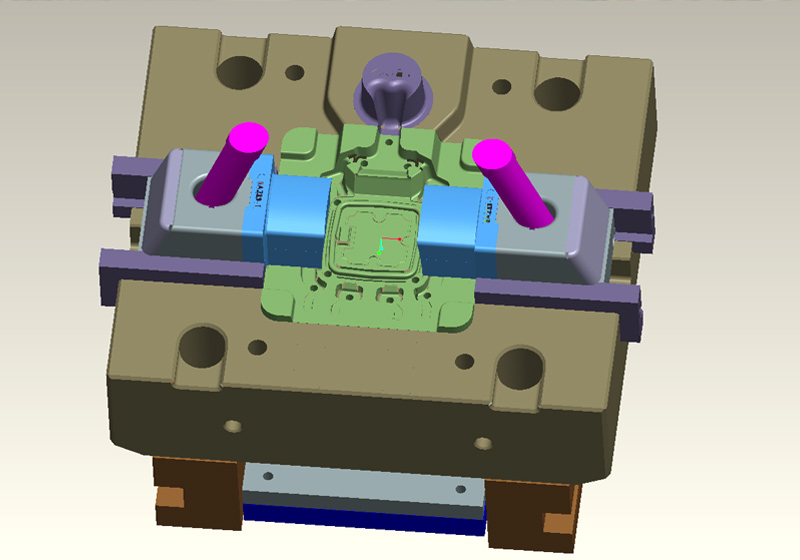
Die Casting Tooling at Innovaw
With over 20 years of experience, Innovaw has designed and built more than 10,000 unique molds. Our die casting equipment and tooling are standardized to global benchmarks, and our tooling resources are coordinated across facilities worldwide. Wherever your production is located, we can support you at every stage — from concept design and rapid prototyping through mold build, pre-production trials, and full-scale manufacturing.
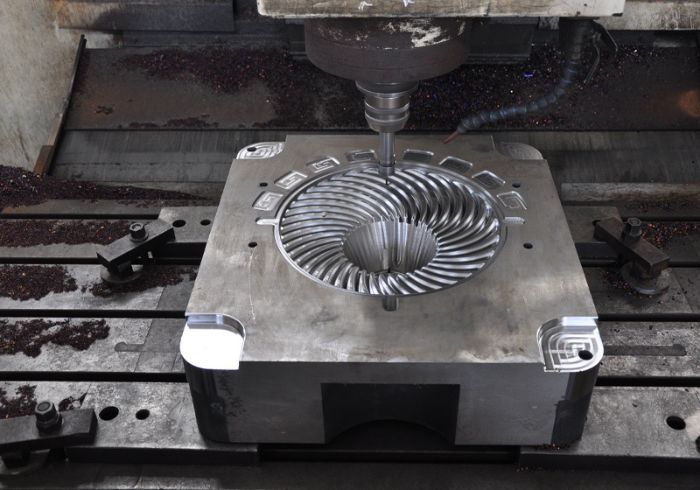
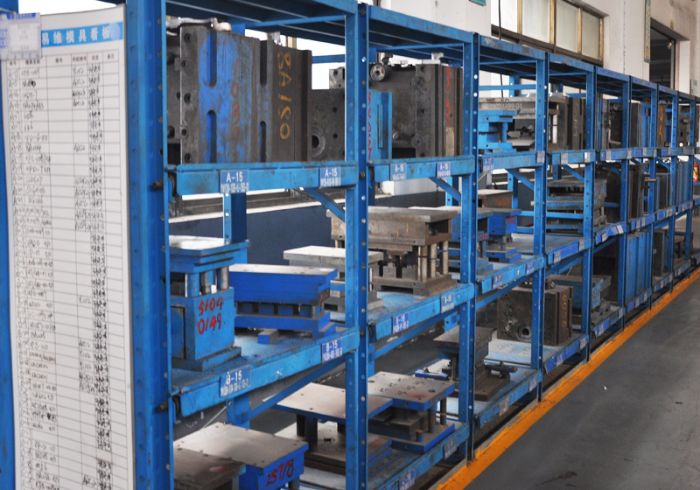
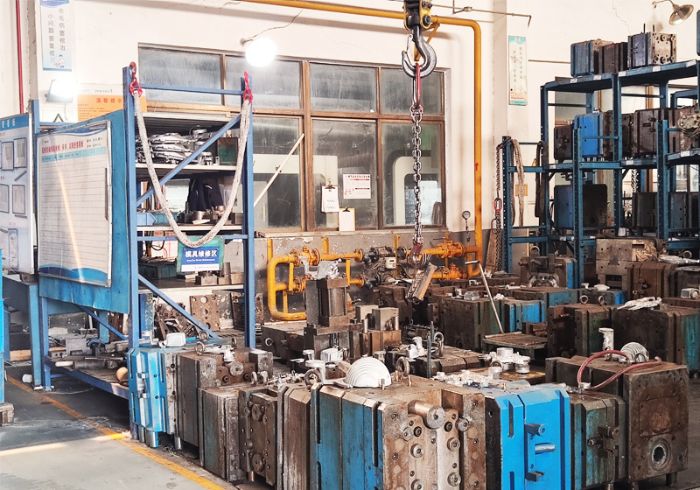
We offer two proven tooling approaches: multi-slide die casting molds and conventional die casting molds.
Multi-Slide Die Casting Molds:
Our multi-slide tooling incorporates four or more vertical slides within the mold, enabling the production of highly complex, dimensionally precise castings in a single shot. Key advantages include:
1. Single-step forming eliminates the need for secondary operations such as assembly or additional machining.
2. Complex geometries and tight tolerances are achievable at a lower total cost.
3. Significantly reduced part-to-part variation compared to standard multi-cavity tooling.
4. The compact mold construction limits parting line movement, protecting dimensional tolerances on finished parts.
Conventional Die Casting Molds:
Conventional die casting molds are configured as either single-cavity (one part per cycle) or multi-cavity (multiple parts per cycle). Innovaw's conventional tooling is engineered with two slides rather than four, delivering an optimized balance of productivity and cost-efficiency for our customers.
Die Casting Tooling Cases
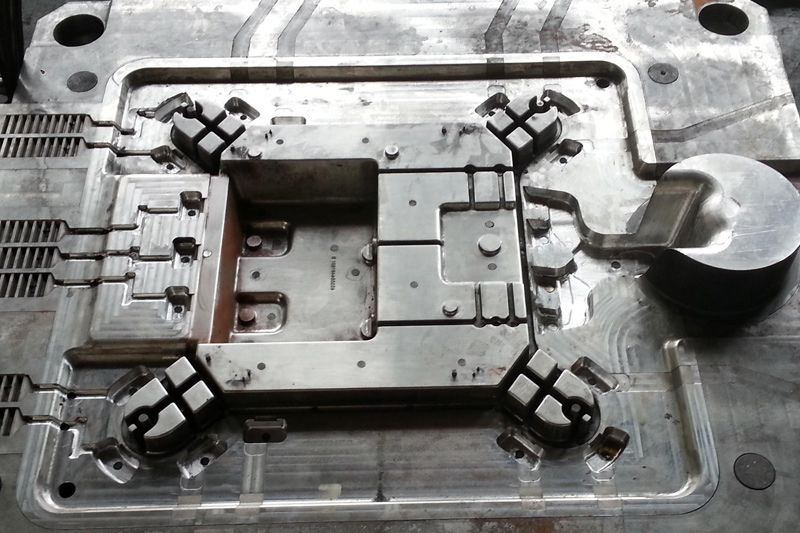
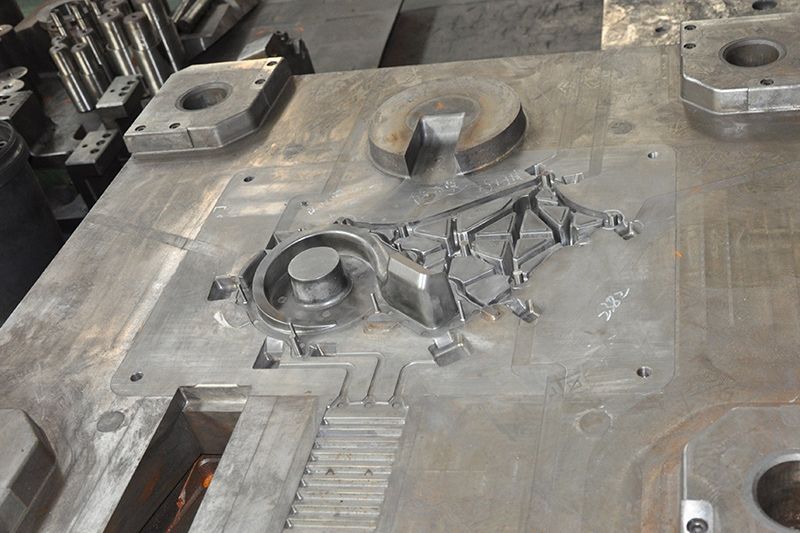
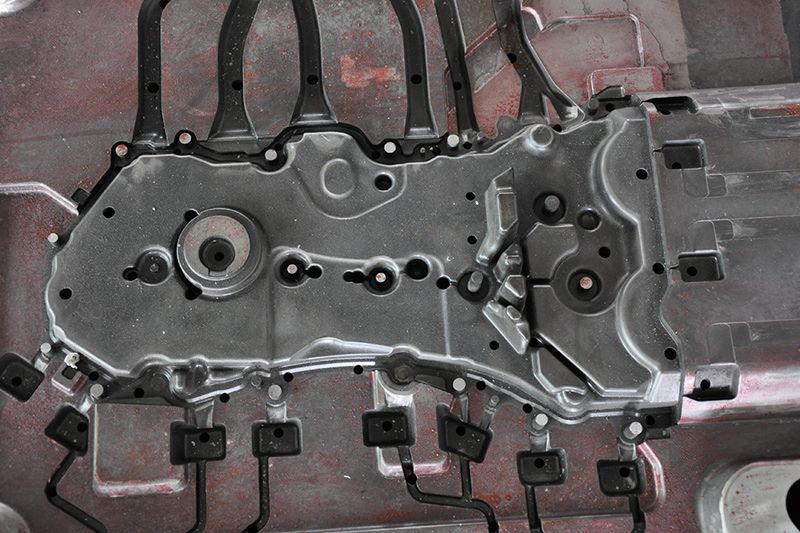
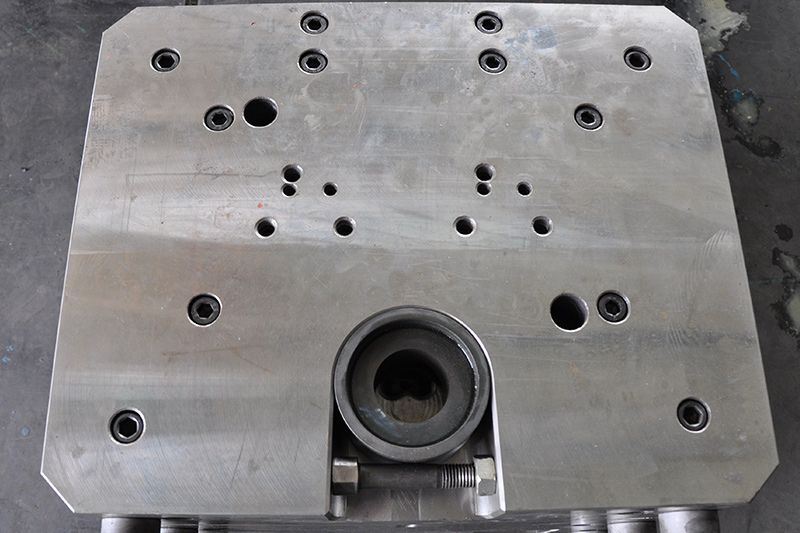
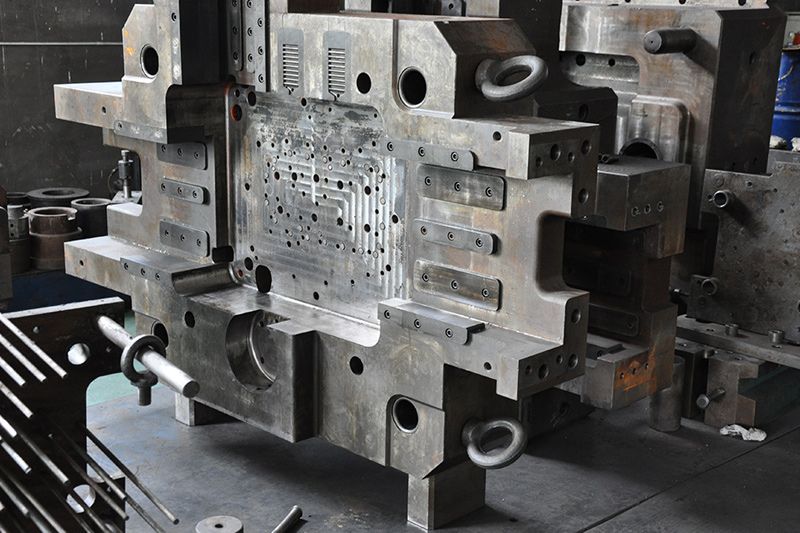
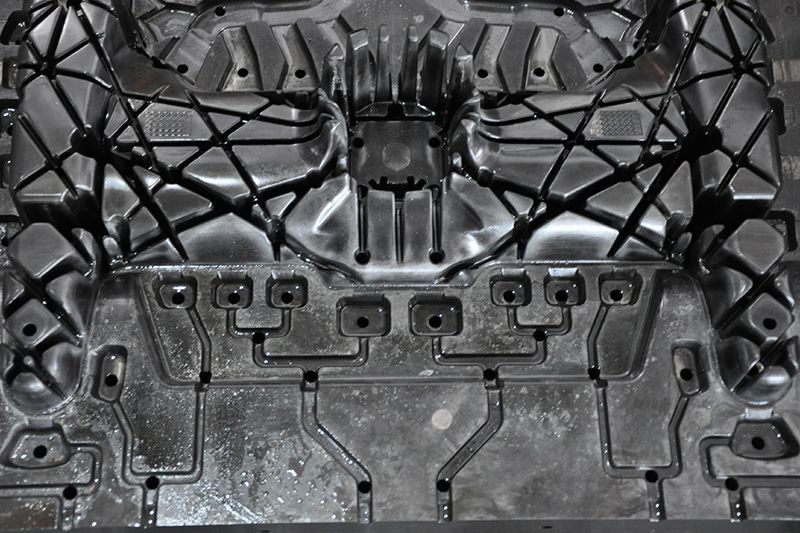
By choosing Innovaw as your die casting partner, you gain:
1. High-integrity molds engineered to sustain reliable, high-volume production over their full service life.
2. Design-focused engineering that integrates multiple part features into the mold upfront, eliminating costly secondary operations.
3. Thoughtful process planning that minimizes machining steps and drives down per-part cost.
4. Predictive wear analysis that extends mold life — our engineers identify high-wear zones in advance and design them as replaceable steel inserts.
5. Optimized cooling circuit design that maximizes cycle efficiency and ensures consistent thermal management throughout production.
How Die Casting Tooling Is Designed and Manufactured
Every mold at Innovaw begins with a Design for Manufacturability (DFM) review. We work closely with customers to identify and resolve any part or process concerns before the mold is built — because addressing issues at the design stage is far faster and less costly than correcting them after tooling is complete. During this phase, we also perform predictive wear analysis to identify vulnerable areas of the mold and engineer them as replaceable inserts, reducing long-term maintenance time and cost. Our tooling is designed from the outset to maximize uptime and minimize unplanned downtime.
Our mold shop is staffed by a dedicated team of mold design and manufacturing engineers with deep expertise in 2D and 3D CAD software. The shop is equipped with CNC machining centers, EDM, wire-cut EDM (WEDM), universal milling machines, and friction welding equipment — giving us full in-house capability from design through final assembly.
Innovaw brings advanced engineering capabilities to every project and works in close collaboration with customers to develop superior, cost-effective products. Engagement begins with a detailed review of customer drawings, followed by in-depth discussion to capture all requirements. We then apply analytical tools including FEA and mold flow simulation to surface and resolve critical design challenges before production begins. A suite of prototyping programs further supports our product development and tooling design process. From initial engagement to delivery of rapid prototypes and High Pressure Die Casting (HPDC) components, Innovaw's typical lead time is 20 to 35 days — with full engineering support throughout to review results and provide recommendations at every stage.
Technical Capabilities
Request a Quote
Name can't be empty
Email error!
Send Your Message
Note: If you are looking for a job, please send an email to it2@innovaw.com