- Pattern Creation: Wax patterns are produced by injecting molten wax into precision metal tooling. For low-volume or prototype work, patterns may be hand-formed or 3D-printed.
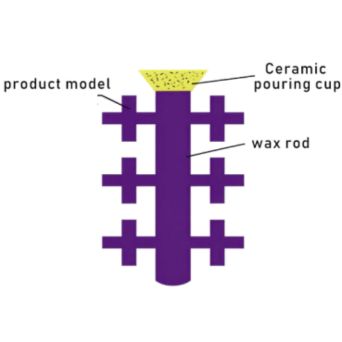
- Assembly: Individual wax patterns are attached to a central wax sprue, forming a cluster — or "tree" — that maximizes the number of parts cast in a single pour.
- Shell Building: The wax assembly is repeatedly dipped in ceramic slurry and coated with refractory sand. Each layer is fully dried before the next is applied, building up a robust ceramic shell over multiple cycles.
- Dewaxing: The shell is placed in a steam autoclave or flash-fire oven. The wax melts and drains away, leaving a hollow ceramic mold with the precise geometry of the original pattern.
- Burnout and Preheating: The ceramic shell is fired at high temperature to eliminate all wax residue, develop full mold strength, and preheat the cavity for metal reception.
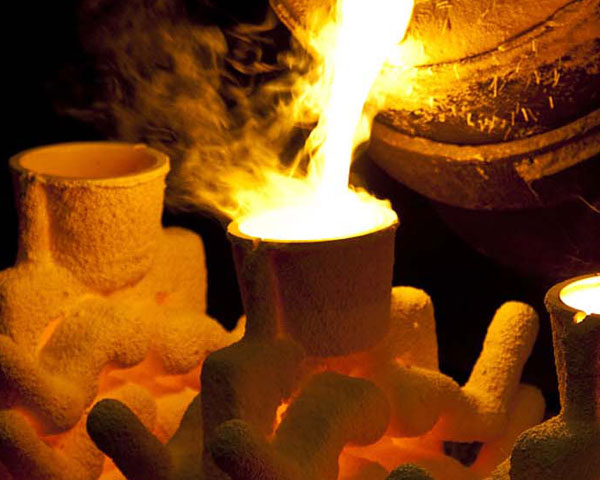
- Casting: Molten aluminum is poured into the preheated ceramic mold, flowing under gravity to fill the cavity completely.
- Cooling and Shell Removal: After the metal solidifies, the ceramic shell is broken away mechanically or by water jet, exposing the casting cluster.
- Finishing: Individual castings are cut from the sprue tree, gates are ground flush, and any required secondary machining, surface treatment, or inspection is carried out before delivery.
Investment Casting
Aluminum investment casting — also known as lost-wax casting — is a precision manufacturing process used to produce intricate metal parts with exceptional dimensional accuracy and smooth as-cast surfaces. The process begins with an injection-molded wax pattern of the part, which is then encased in a ceramic shell. The wax is melted out, and molten metal is poured into the cavity left behind — faithfully replicating the original geometry down to its finest details.
Key Features of Aluminum Investment Casting:
- Exceptional Precision: Delivers outstanding dimensional accuracy and the ability to reproduce fine details and complex geometry that other casting methods cannot achieve.
- Material Versatility: Compatible with a wide range of alloys, including aluminum, steel, titanium, and high-performance superalloys.
- Superior Surface Finish: As-cast surfaces typically require minimal post-processing, reducing secondary machining time and cost.
- Near-Net Shape: Tight conformance to the wax pattern minimizes stock allowances, reducing material waste and machining requirements.
_1751361110_WNo_1000d700.jpg)
Aluminum Investment Casting at Innovaw
Innovaw operates three dedicated investment casting production lines, equipped with wax injection machines, wax storage tanks, dewaxing autoclaves, mold conveying systems, burnout ovens, wax recovery units, and PLC control systems. Supporting equipment includes sand mixers, sand drop machines, shot blasting machines, molding machines, and pouring equipment — providing full in-house capability across every stage of the investment casting process.
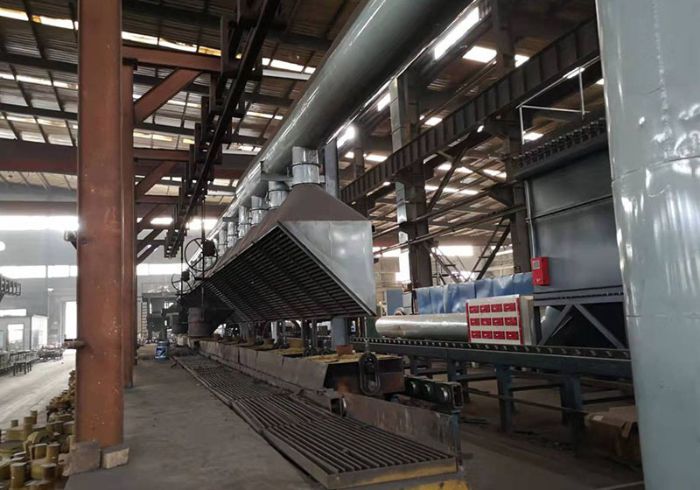
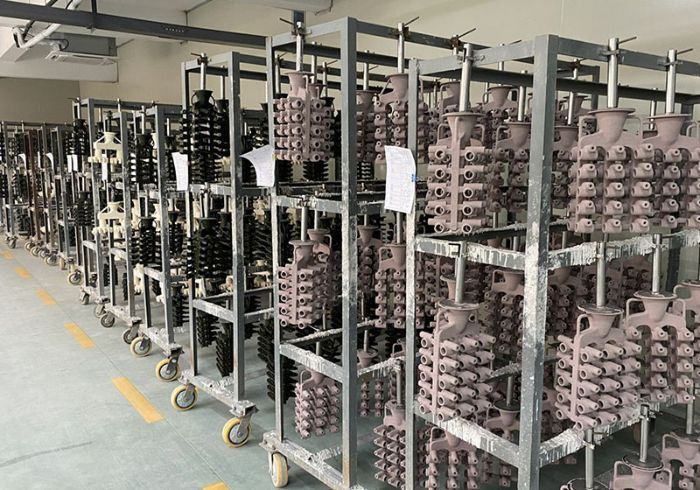
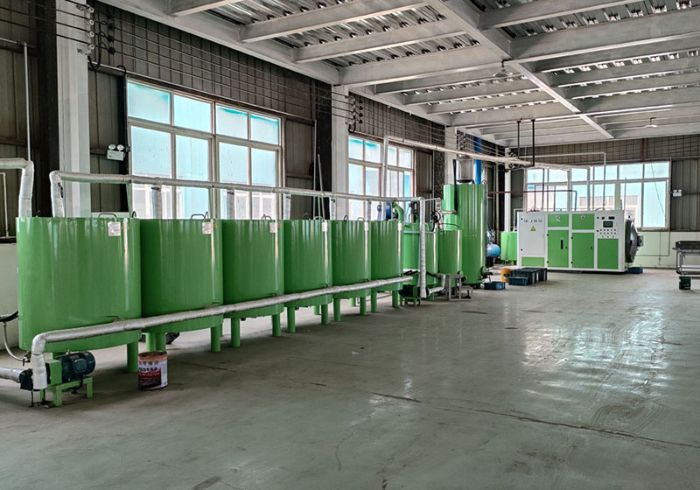
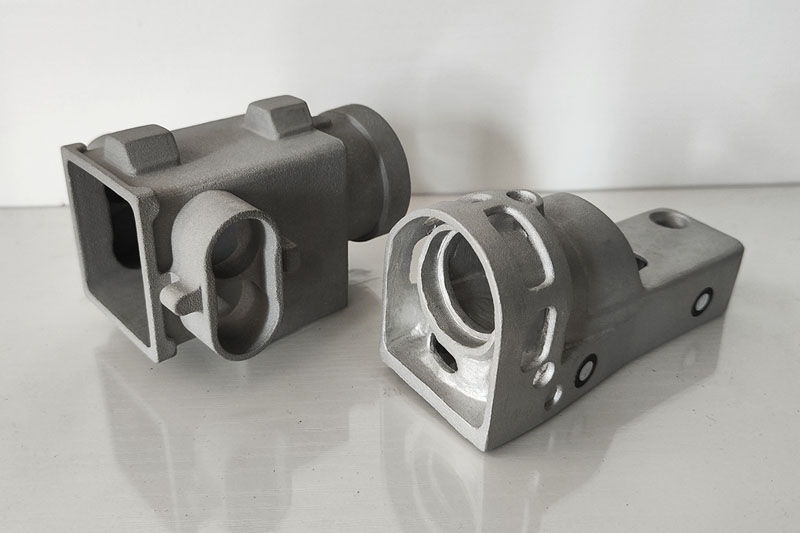
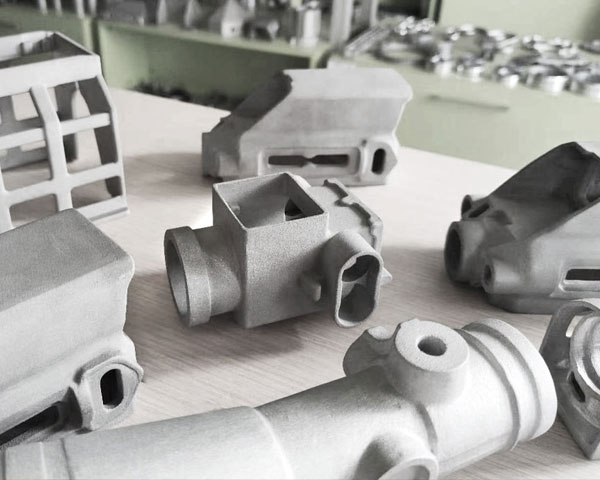
Our investment casting products serve markets including architectural hardware, aerospace, automotive, hydraulic equipment, agricultural machinery, sanitary hardware, and precision tooling. Part sizes range from 50×50 mm to 400×400 mm, with weights from 5 g to 5 kg and a daily production capacity of 3–5 metric tons.
Aluminum Investment Casting Product Cases
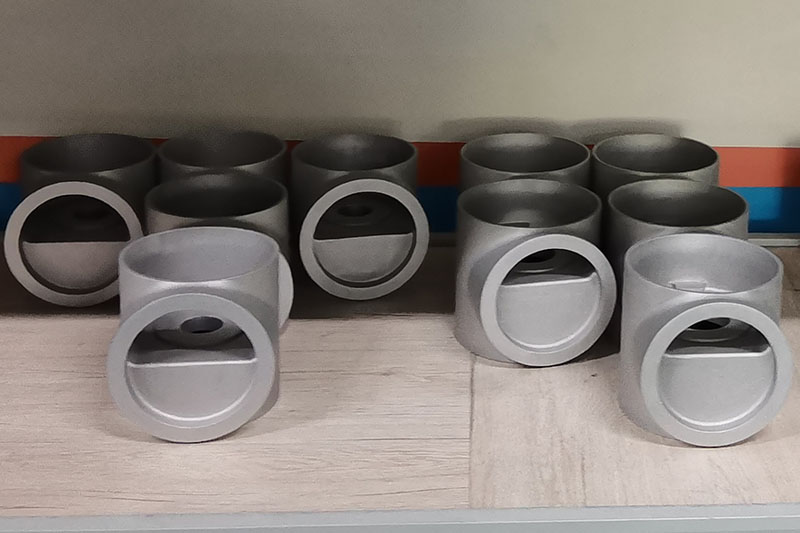
Investment Casting
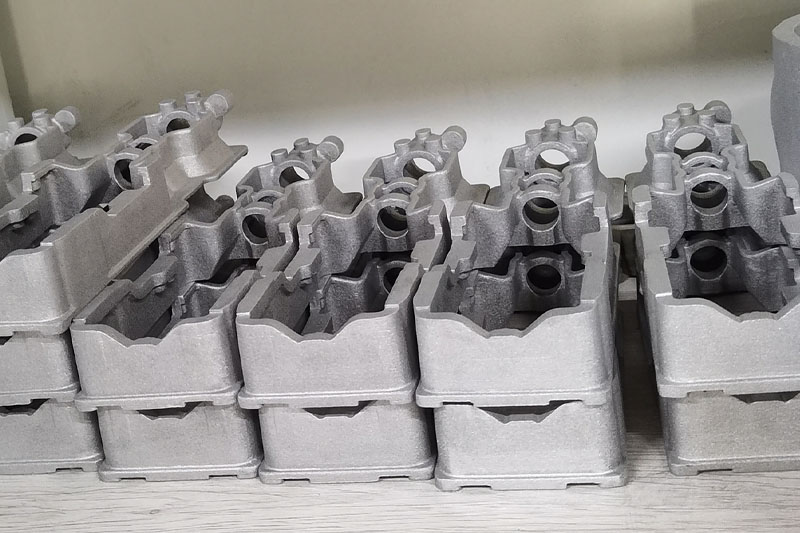
Investment Casting
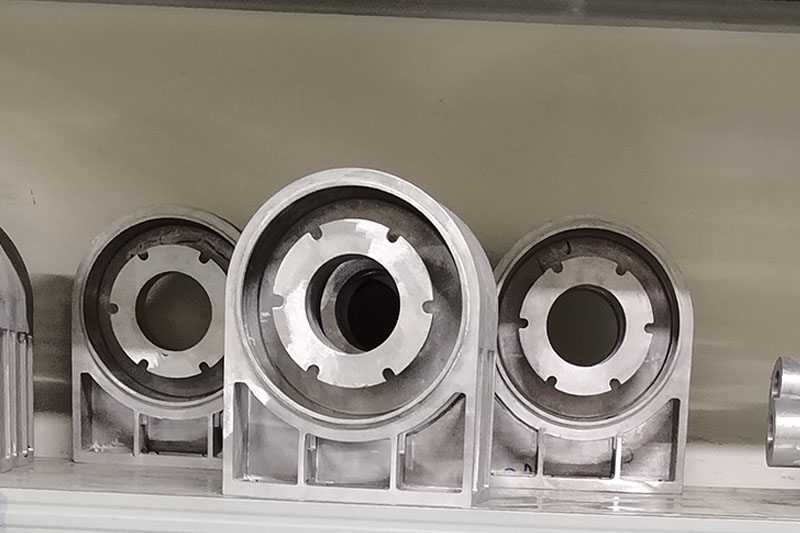
Investment Casting
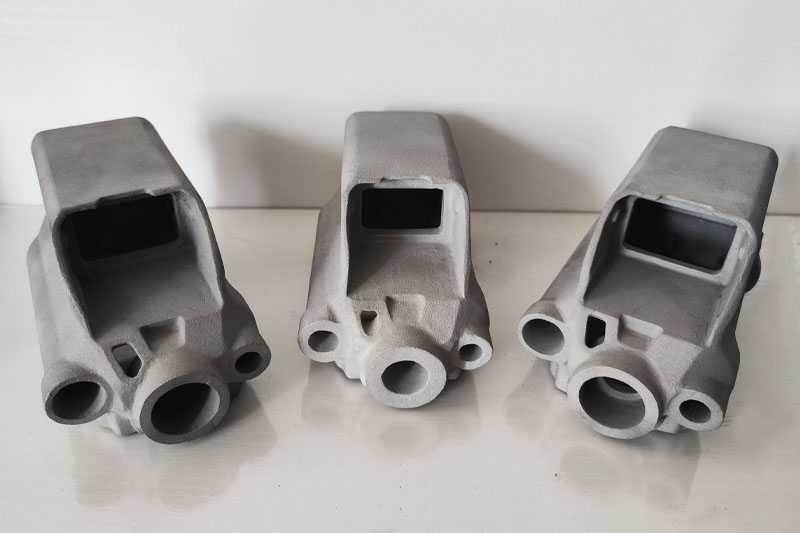
Investment Casting
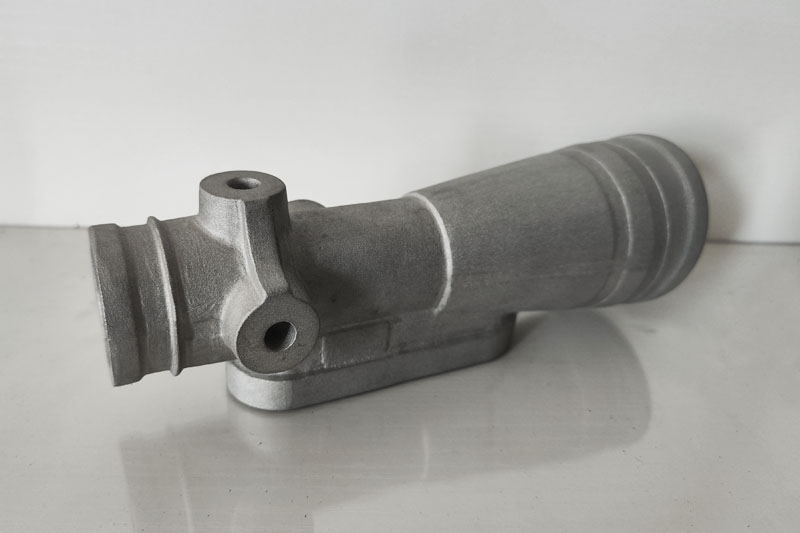
Investment Casting
Investment Casting
Material Scope
Innovaw's foundry sources and qualifies materials against ASTM, JIS, DIN, ENAC, ISO, and GB specifications. Aluminum alloy grades commonly used in investment casting include:
- Aluminum Alloys
ASTM-A319, A413, A355, A356, A357
JIS-AC2B, AC4D, AC4C, AC3A, AC4A
DIN-AlSi7Cu4, AlSi5Cu1Mg, AlSi7Mg, AlSi12, AlSi9Mg, AlSi12Cu2Mg1, AlSi6Cu4
ENAC-45000, 45300, 42100, 44100, 43300
How Aluminum Investment Casting Works
Investment casting uses expendable ceramic molds — formed around sacrificial wax patterns — to produce aluminum parts with a level of geometric complexity and surface quality that is unmatched by other casting methods. Molten aluminum fills the cavity left by the melted wax, precisely reproducing every feature of the original pattern.
Why Choose Innovaw for Aluminum Investment Casting
Innovaw's primary commitment is to meet — and consistently exceed — customer expectations in quality, delivery, and performance.
Production Capability
Innovaw's investment casting facility combines standardized workshops with advanced equipment and production management systems, supporting a daily output of 3–5 metric tons of finished castings.
Our production operations are led by more than 20 production management specialists, supported by hundreds of skilled workers who deliver professional and reliable manufacturing services every day.
We offer a complete one-stop service — from mold development and PPAP approval through investment casting production, CNC machining, and surface treatment — allowing customers to manage a single supplier throughout the full product lifecycle.
Technical Capability
Our engineering team of more than 20 development engineers and casting industry specialists provides comprehensive technical support from initial concept through production ramp.
We offer an end-to-end technical service spanning DFM analysis, 3D mold design, mold flow simulation, and rapid prototyping — helping customers move efficiently from drawing to high-quality finished part.
We specialize in developing practical engineering solutions that reduce manufacturing costs and improve product quality — particularly for geometrically complex parts that challenge conventional casting processes.
Our team has extensive experience designing and producing parts with intricate internal structures, thin walls, and compound curved surfaces — the types of geometry where investment casting delivers its greatest advantage.
Quality Control
All Innovaw investment casting products are produced and managed under the IATF 16949 quality management system.
We apply the full suite of automotive core quality tools — APQP, FMEA, PPAP, MSA, and SPC — to maintain rigorous in-process control at every production stage.
Regular process audits are conducted in accordance with VDA 6.3, and product audits are performed under VDA 6.5, ensuring consistent process integrity and product conformance.
Customer complaints are addressed systematically through 8D methodology, with root cause analysis and corrective actions documented and tracked to closure.
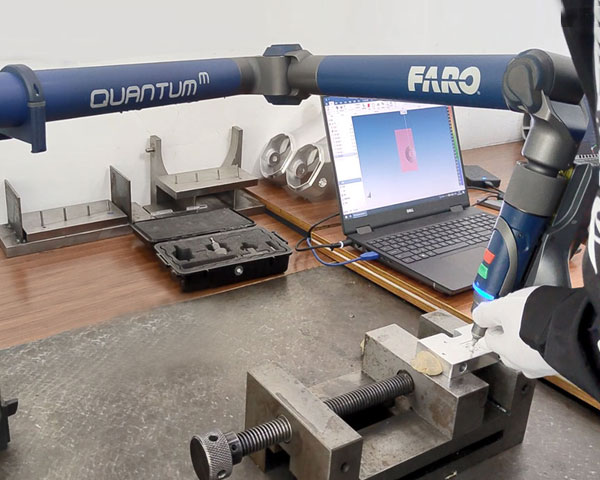
Every part undergoes full-process inspection — from first article through final inspection — using equipment including spectrometers, 3D scanners, X-ray imaging, and ZEISS CMM coordinate measuring machines.
Aluminum Investment Casting FAQs
Q1. What metal materials can be used for investment casting?
Investment casting is one of the most material-versatile casting processes available. Because the ceramic shell is formed around the wax pattern rather than machined from a fixed mold, it can accommodate virtually any castable alloy — including those with high melting points or aggressive chemistries that would damage permanent tooling. Commonly processed materials include aluminum alloys (A356, A357, ADC12), carbon and alloy steels, stainless steels, titanium alloys, and nickel-based superalloys used in aerospace and high-temperature applications. At Innovaw, our primary focus is aluminum alloy investment casting, covering grades from the ASTM, JIS, DIN, ENAC, ISO, and GB standard families.
Q2. How does investment casting compare to other casting processes for lead time?
Investment casting typically requires a longer lead time than gravity casting or high-pressure die casting, primarily because of the multi-stage shell-building process — each ceramic layer must be fully dried before the next is applied, and the complete shell build may take several days. First-article production also involves wax tooling manufacture, pattern injection, assembly, shell building, firing, casting, and finishing — a sequence that spans more steps than most competing processes.
That said, for parts where the geometry or precision requirements make investment casting the only viable option, lead time is not a limiting factor — it is simply an inherent characteristic of the process. Innovaw's integrated production workflow and experienced team minimize time at every stage, and our rapid prototyping capability allows first articles to be produced using 3D-printed patterns, bypassing wax tooling altogether for early design validation.
Q3. How do I know if my part requires investment casting?
Investment casting is the right choice when one or more of the following apply: the part geometry is too complex for die casting or gravity casting — featuring undercuts, internal cavities, thin walls below 2 mm, or compound curved surfaces that cannot be released from a permanent mold; the dimensional tolerances and surface finish required cannot be reliably achieved by other casting methods, and minimizing post-casting machining is a priority; the production volume is low to medium and the economics of high-pressure die casting tooling are not yet justified; or the part requires a material — such as a high-strength aluminum alloy or a material with a high melting point — that is not suited to conventional die casting processes. If you are uncertain, Innovaw's engineering team can review your drawing and advise on the most appropriate process.
Q4. In which industries is investment casting most widely used?
Investment casting is the preferred process in industries where part complexity, dimensional precision, and surface quality outweigh the consideration of production speed. Key sectors include aerospace (turbine blades, structural brackets, actuation components), automotive (high-performance engine parts, transmission components, EV structural parts), medical devices (surgical instruments, implant components, diagnostic housings), defense (optical mounts, guidance system housings, ordnance components), architectural hardware (decorative fittings, door hardware, lighting fixtures), and precision industrial equipment (hydraulic valve bodies, pump components, instrument housings). The common thread is a requirement for near-net-shape parts with complex geometry and minimal post-processing.
Q5. What is the difference between investment casting and high-pressure die casting?
The fundamental distinction lies in the mold type and how metal enters the cavity. Investment casting uses a single-use ceramic shell formed around a sacrificial wax pattern — allowing virtually unlimited geometric complexity, including undercuts and internal passages, because the mold is simply broken away after casting. Metal fills the cavity under gravity. High-pressure die casting (HPDC) uses a permanent steel die into which molten metal is injected at pressures up to 200 MPa, enabling very thin walls, fast cycle times, and high-volume economics — but restricting geometry to what can be released from a two-part steel tool.
Investment casting typically offers superior dimensional accuracy for intricate features, better surface finish, and broader material compatibility — but at higher per-part cost and longer lead times. HPDC delivers lower per-part cost at volume and faster production rates, but at the cost of geometric freedom and with higher porosity risk in thick cross-sections. The right choice depends on part geometry, required mechanical properties, surface finish specification, and production volume.
Q6. Why use aluminum investment casting to manufacture your products?
Investment casting occupies a unique position among aluminum casting processes — offering a level of geometric freedom, dimensional fidelity, and surface quality that no other method can match. For the right application, it is not simply an alternative to die casting or gravity casting; it is the only process capable of producing the part as designed.
1. When to choose investment casting
- Complex geometry with fine detail: Internal cavities, undercuts, thin walls, compound curved surfaces, and intricate external features — particularly where the geometry cannot be released from a permanent two-part die.
- High dimensional accuracy and surface quality: When tight tolerances and smooth as-cast surfaces are required to minimize downstream machining and deliver consistent part quality.
- Low-to-medium volume, high-value production: Where per-part value justifies the process cost and tooling investment in high-pressure die casting is not yet economical.
- Specialized aluminum alloys: When the required alloy — for strength, thermal performance, or corrosion resistance — is not suited to conventional die casting processes.
- Demanding quality environments: Aerospace, automotive Tier 1, medical device, and precision industrial applications where process traceability and part integrity are non-negotiable.
2. Key advantages of investment casting
- Unmatched geometric precision: The ceramic shell faithfully reproduces every feature of the wax pattern — enabling intricate structures and tight tolerances that are not achievable through die casting or gravity casting.
- Superior as-cast surface finish: The fine ceramic surface texture transfers directly to the casting, typically producing surfaces that meet cosmetic or functional requirements with minimal finishing.
- High material efficiency: Near-net-shape output reduces stock allowances, machining time, and raw material consumption compared to billet-machined alternatives.
- Broad alloy compatibility: Investment casting accommodates high-performance aluminum alloys and other materials that cannot be processed through conventional die casting tooling.
- Maximum design freedom: Geometry that is impossible to demold from permanent tooling — undercuts, re-entrant features, complex internal passages — is readily achieved through the expendable ceramic shell approach.
For applications that demand the highest levels of geometric complexity, dimensional precision, and surface integrity in aluminum alloy components, investment casting is a proven and well-established manufacturing route — offering the design freedom and quality consistency that performance-critical products require.
Technical Capabilities
Request a Quote
Name can't be empty
Email error!
Send Your Message
Note: If you are looking for a job, please send an email to it2@innovaw.com