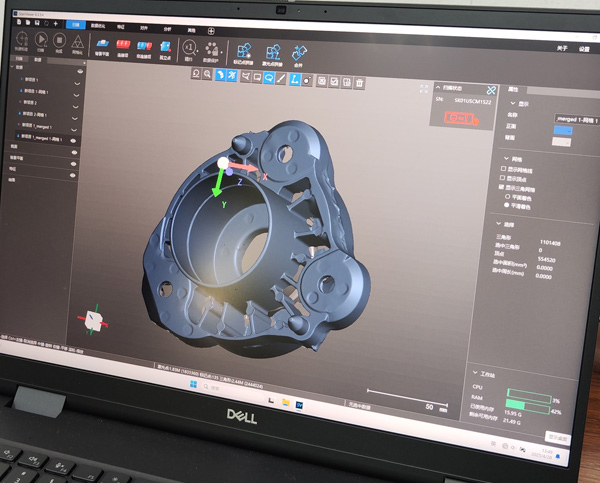
- 3D CAD modeling — Engineers build the part geometry in CAD software and export it in standard formats such as .STL or .OBJ.
- Slicing and toolpath generation — The CAD file is imported into a slicing program, which converts the model into layer-by-layer machine instructions.
- Prototype building — The sliced data is sent to the rapid prototyping machine, which constructs the model layer by layer with high precision.
- Post-processing — Necessary finishing steps are carried out, including cleaning, curing, sanding, and secondary machining as required.
- Testing and validation — The finished prototype undergoes dimensional inspection, functional testing, and assembly verification before sign-off.
Rapid Prototype Manufacture
Rapid prototype manufacture is a technology that enables fast creation of product models or design-validation parts. Leveraging digital models and automated processes such as 3D printing, it transforms a concept into a physical prototype within a remarkably short timeframe. In the foundry industry, rapid prototyping has become a cornerstone of digital casting and intelligent manufacturing — not only replacing traditional sand, wood, and metal mold-making workflows, but also dramatically compressing the casting development cycle, cutting costs, and boosting first-run success rates.
Advantages of Rapid Prototype Manufacture:
Shorter development cycles: Functional prototypes delivered in as little as 1–3 days.
Complex molds and cores made easy: Sand, wax, and foam molds with intricate internal structures can be produced directly, without tooling.
Higher casting accuracy and consistency: Digital models drive forming equipment with minimal error and excellent repeatability.
Significant cost savings: Eliminates expensive hard tooling and reduces scrap during trial production.
Process validation before commitment: Rapidly verify gating systems, riser placements, and other critical design parameters before full-scale production.
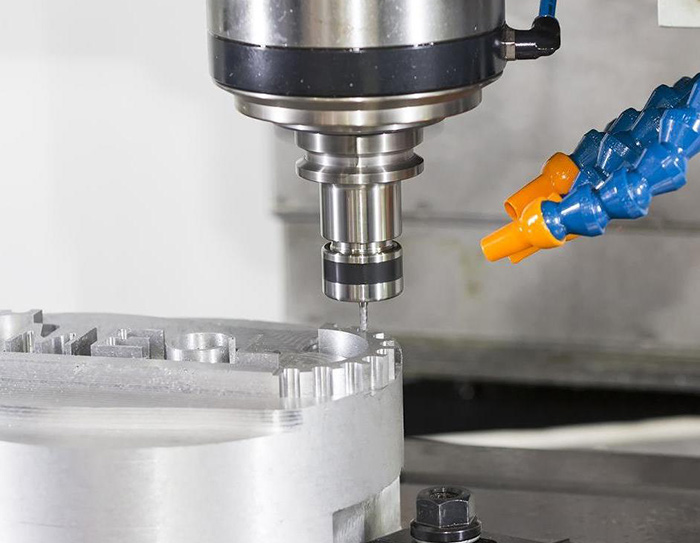
Rapid Prototype Manufacture at Innovaw
At Innovaw, we combine advanced rapid prototyping technology with high-speed machining capabilities to deliver best-in-class prototyping services. Our core methods include CNC machining, 3D printing, and a range of complementary prototyping techniques — all designed to move your ideas from drawing to physical part as efficiently as possible.
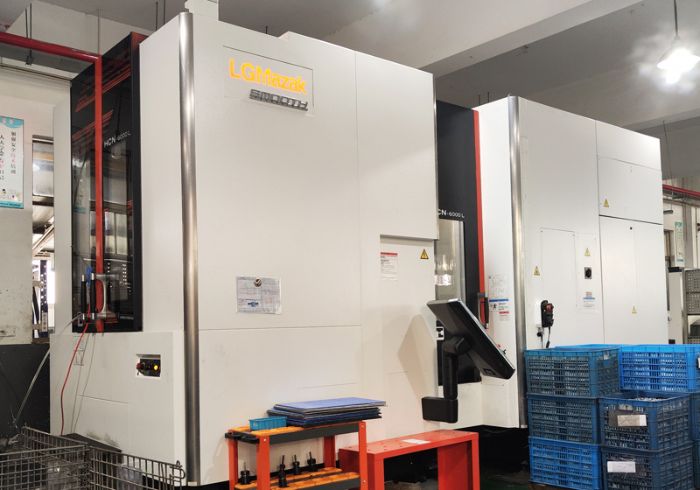
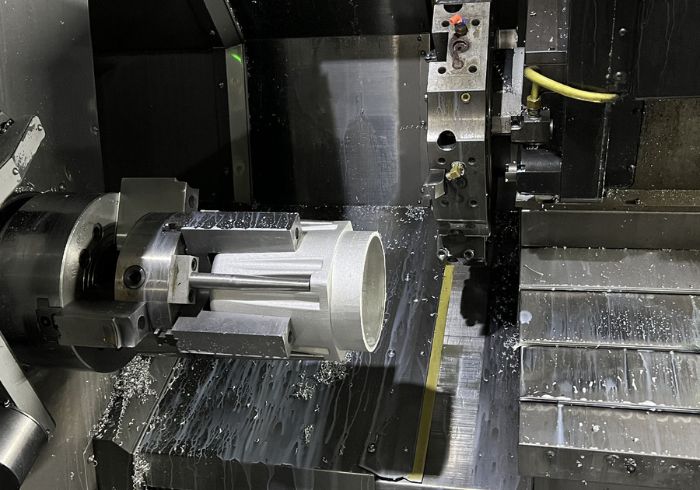
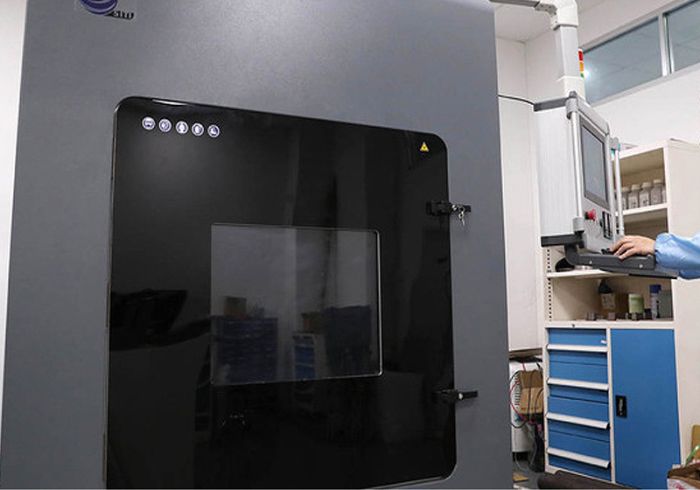
Our rapid prototyping service helps you get from concept to production-ready with confidence:
Validate the feasibility of your design concept early;
Test and refine mechanical variables before committing to full tooling;
Reduce development risk caused by evolving or incomplete specifications;
Receive comprehensive documentation including dimensional reports, material certifications, PPAP Level 3 packages, 8D reports, and corrective & preventive action (CAPA) reports.
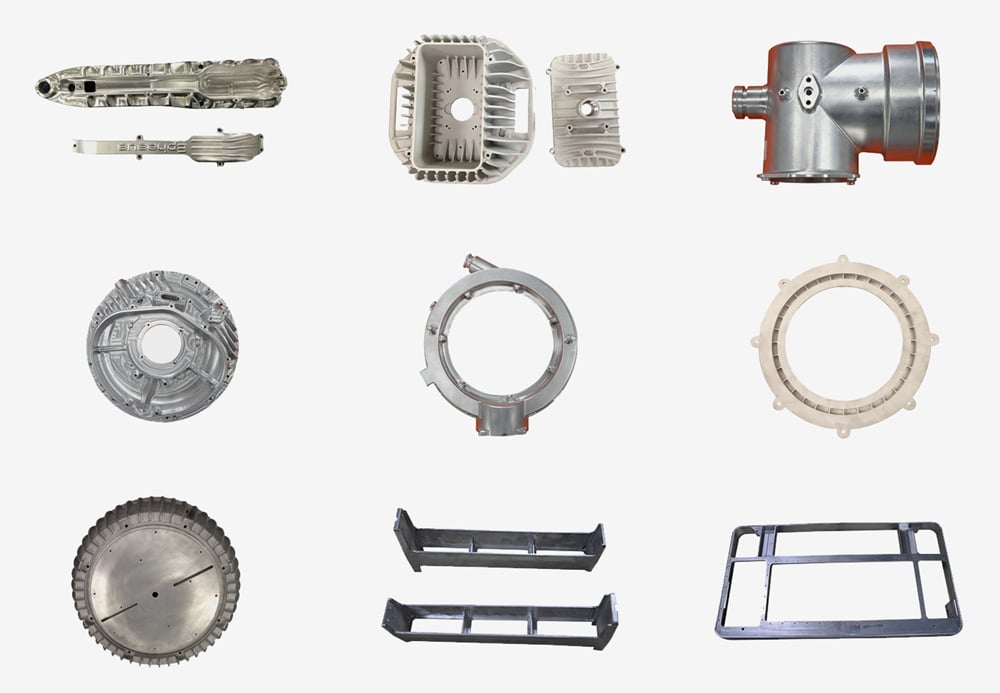
Rapid Prototype Manufacture Cases
How Rapid Prototype Manufacture Works
Rapid prototyping is the process of turning CAD data into physical parts quickly, enabling design validation, functional testing, and iterative refinement before committing to full-scale production. Upon receiving a customer's drawings, Innovaw's engineers use professional software to construct detailed 3D models and produce finished prototypes with speed and precision.
Technical Capabilities
Request a Quote
Name can't be empty
Email error!
Send Your Message
Note: If you are looking for a job, please send an email to it2@innovaw.com