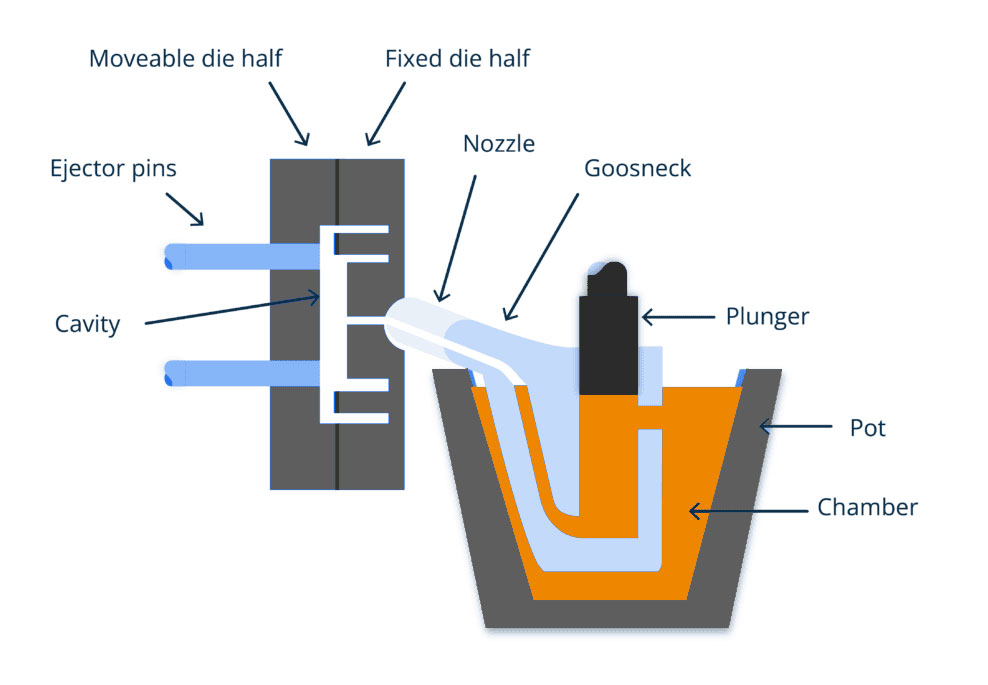
- The mold is installed on the hot-chamber die casting machine, then cleaned, preheated to operating temperature, and lubricated to ensure smooth metal flow and protect tooling surfaces.
- Zinc alloy is melted and held at the specified temperature within the integrated furnace of the hot-chamber machine.
- The injection mechanism drives the molten zinc alloy into the closed die cavity at high speed and pressure, filling even the most intricate cavity features.
- The metal solidifies rapidly against the temperature-controlled die surfaces.
- The die opens and the ejector system advances to release the finished casting.
- Overflow flash is trimmed, and parts are deburred and finished as required.
- Where needed, castings proceed to secondary operations such as CNC machining, surface treatment, or coating before final inspection and shipment.
Zinc Die Casting
Zinc die casting is a manufacturing process in which molten zinc or zinc alloy is injected into a precision die under extremely high pressure, then solidified to produce highly accurate, dimensionally consistent metal parts.
Advantages of Zinc Die Casting:
- Excellent fluidity: Zinc alloys flow readily in the molten state, enabling the reliable reproduction of complex geometries, fine features, and thin-walled sections at small part scales.
- High dimensional accuracy: Tight tolerances and smooth as-cast surfaces minimize the need for secondary machining or finishing.
- Superior mechanical toughness: Zinc alloys combine high strength with good ductility and a degree of elasticity, providing strong impact and shock resistance without fracturing.
- Strong corrosion resistance: Zinc alloys offer inherent resistance to oxidation and corrosion under typical service conditions.
- Cost-effective high-speed production: Moderate material cost combined with fast cycle times makes zinc die casting one of the most economical processes for high-volume precision parts.
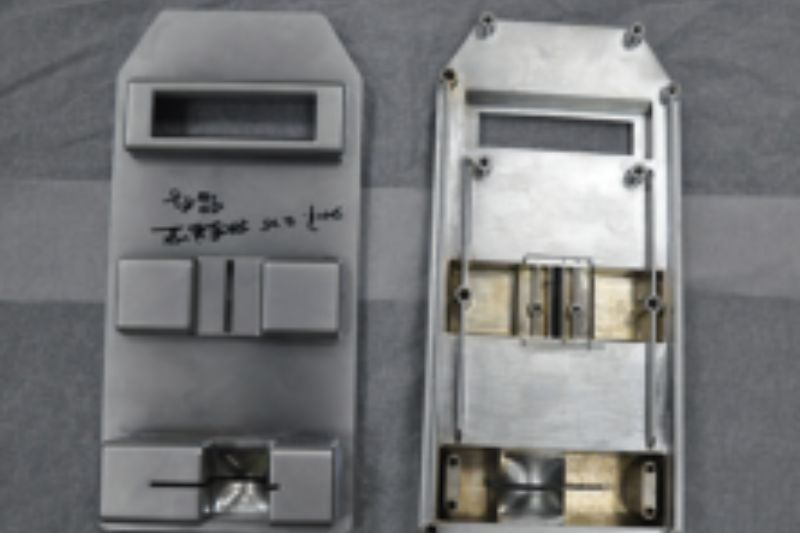
_1751360230_WNo_1000d700.jpg)
Zinc Pressure Die Casting at Innovaw
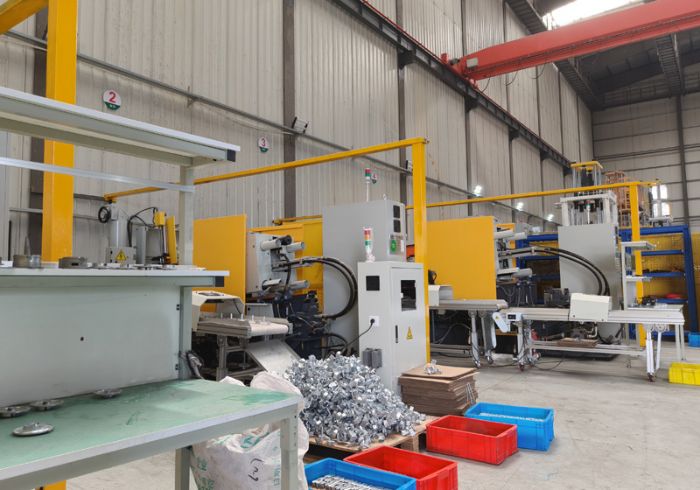
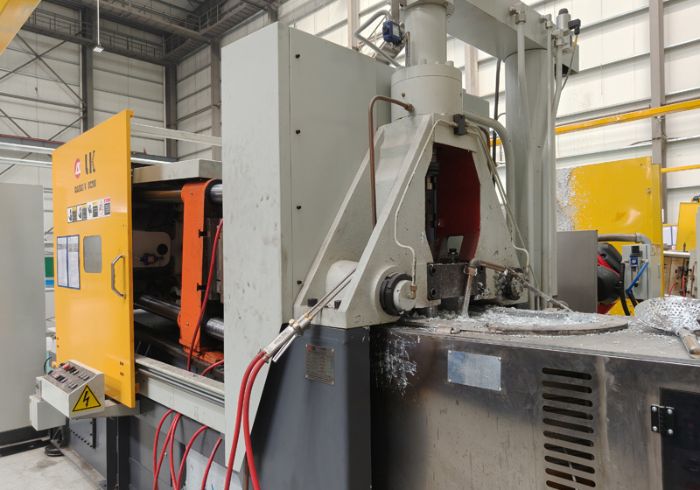
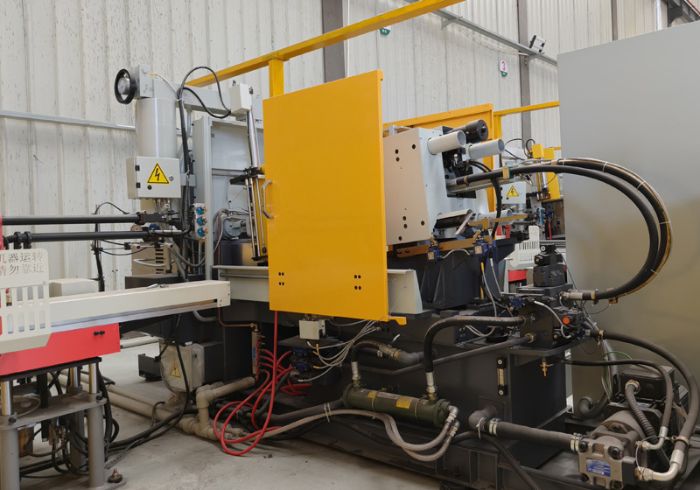
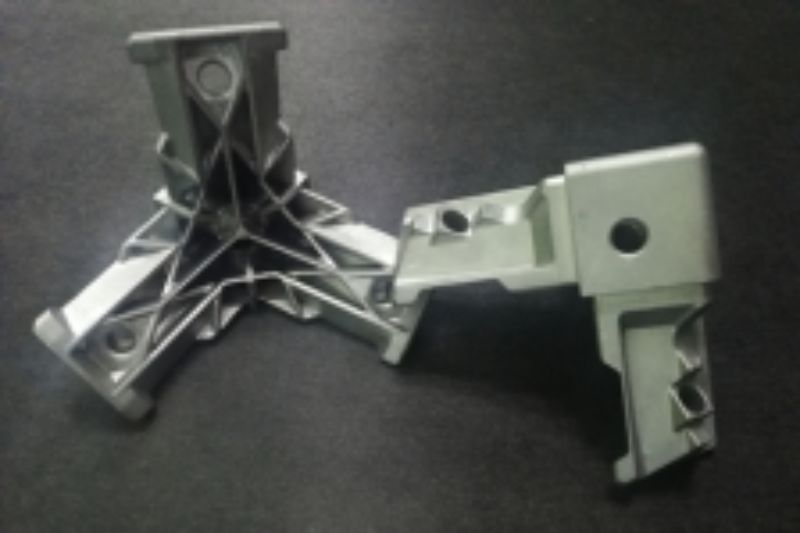
Innovaw's zinc die casting line operates in parallel with our aluminum die casting production. The dedicated zinc casting equipment consists of 5 hot-chamber high-pressure die casting machines with a clamping force of up to 280 tons. We handle zinc alloy components ranging from a few millimeters to over one hundred millimeters in size, and from a few grams to 1,000 grams in weight. Zinc alloy castings from Innovaw serve applications across the automotive, electronics, electrical appliances, building hardware, home furnishings, and consumer goods industries.
Zinc Pressure Die Casting Product Cases
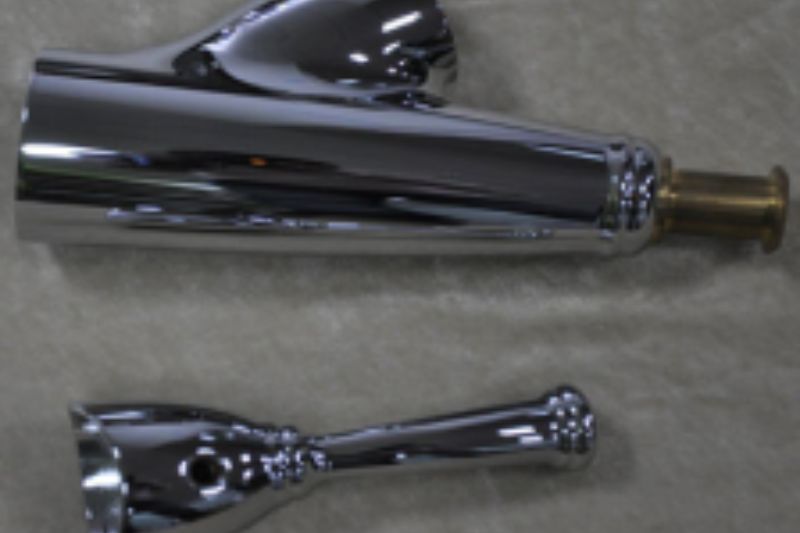
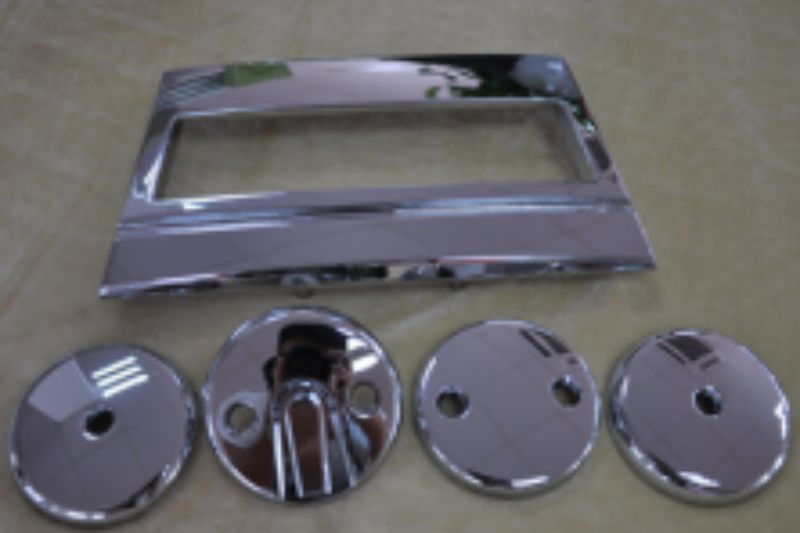
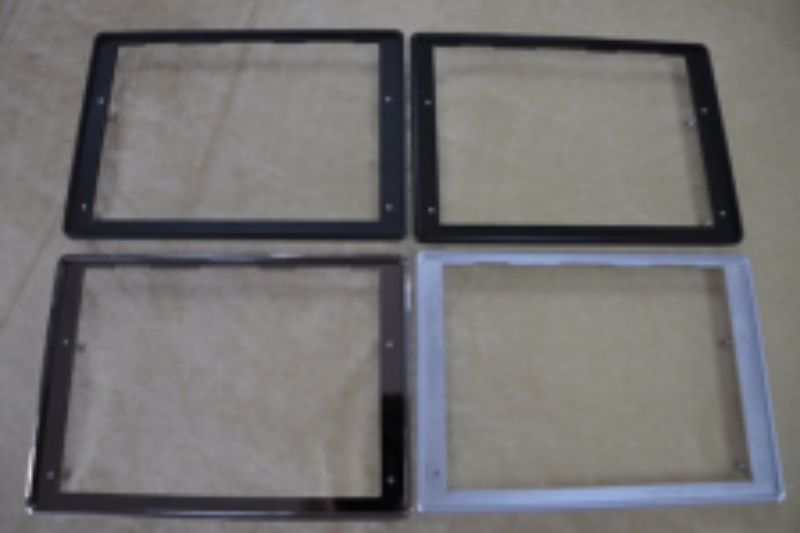
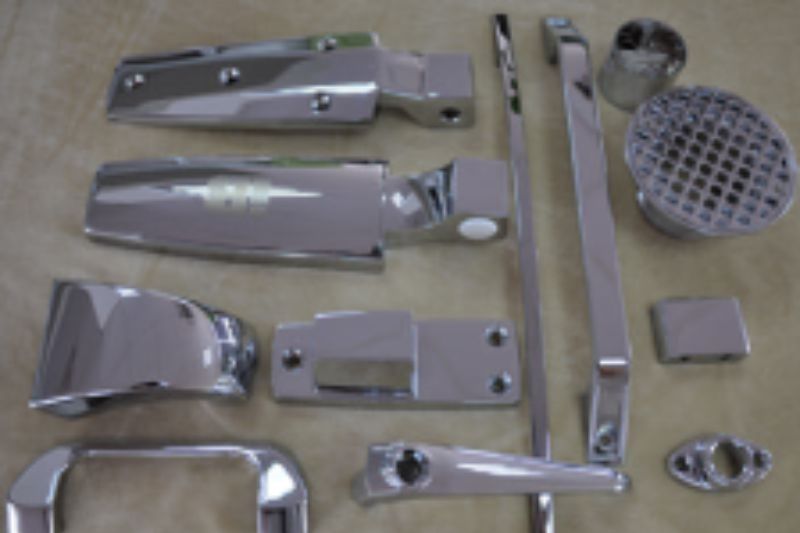
Material Scope
Innovaw's foundry handles casting alloys across the aluminum, magnesium, and zinc families, with all materials sourced and qualified against major international standard systems including ASTM, JIS, DIN, ENAC, ISO, and GB. Commonly specified grades include:
- Aluminum
ASTM-A413, A360, A380, A383
JIS-ADC1, ADC3, ADC10, ADC12
DIN-AlSi12, AlSi10Mg, AlSi8Cu3
AlSi11Cu3, AlSi10MnMg, AlSi10Mn, AlSi9Cu3, AlSi11Cu2
ENAC-44100, 43400, 46000, 46400, 43500, 46500
KAlloy
- Zinc
ZnAl4, ZnAl4Cu0.4, ZnAl4Cu1
ZnAl4Cu3, #2, #3, #5, #7
- Magnesium
AZ91D, AM60B
How Zinc Pressure Die Casting Works
Zinc high-pressure die casting produces zinc alloy components with high dimensional precision, excellent surface finish, and tight tolerances. Upon receipt of customer drawings, Innovaw's engineers perform a DFM analysis to design and manufacture the corresponding zinc HPDC tooling. Production then follows a structured sequence:
Zinc Pressure Die Casting FAQs
Q1. Is high-pressure die casting the only process suitable for zinc die casting?
While zinc die casting is not exclusively limited to high-pressure die casting, HPDC is overwhelmingly the most suitable process for zinc alloys — and this is a direct consequence of their material properties. Zinc alloys have a low melting point that is well suited to rapid injection; they possess excellent fluidity that enables reliable filling of complex die geometries; and their fast solidification rate supports efficient, high-volume production cycles. These characteristics make zinc alloys poorly suited to alternative methods such as gravity casting, where slow cooling rates reduce efficiency and compromise economics. As a result, hot-chamber high-pressure die casting has become the dominant — and in most applications, the definitive — process for zinc alloy casting.
Q2. Why is zinc die casting performed on hot-chamber machines rather than cold-chamber machines?
The preference for hot-chamber machines in zinc die casting stems from the natural compatibility between zinc alloy properties and hot-chamber machine architecture. Zinc alloys have a low melting point — significantly lower than aluminum — making them fully compatible with the submerged injection mechanism that defines hot-chamber operation. Zinc alloys also exhibit very low corrosiveness toward steel, meaning the plunger and gooseneck components remain in service for extended periods without degradation. Combined with zinc's excellent fluidity, the hot-chamber configuration enables very fast, highly automated injection cycles — exactly the conditions required for the small-to-medium, high-precision, high-repeatability parts that zinc die casting is typically used to produce.
Cold-chamber machines, by contrast, require the molten metal to be ladled into a separate shot sleeve for each cycle. For zinc alloys, this introduces unnecessary process steps, reduces throughput, and is poorly matched to the flow characteristics and solidification behavior of the material — resulting in lower efficiency and higher cost without any meaningful quality benefit.
Q3. How do zinc die castings compare to aluminum die castings in terms of performance?
Both zinc and aluminum die castings are widely used precision metal components, each with distinct strengths and trade-offs suited to different applications.
Zinc die castings offer: higher dimensional accuracy and tighter achievable tolerances; superior fluidity enabling finer surface detail and thinner walls; better toughness and impact resistance; and longer die life due to zinc's lower processing temperatures and reduced abrasiveness.
Aluminum die castings offer: significantly lower part weight (roughly one-third lighter than zinc); better performance at elevated temperatures; improved corrosion resistance in aggressive environments; and a lower material cost per kilogram, which can favor aluminum at larger part sizes or higher weights.
In practice, zinc is the preferred choice for small, intricate, high-precision parts where dimensional accuracy and surface quality are paramount. Aluminum is favored for larger, lighter-weight structural components where strength-to-weight ratio, thermal performance, or long-term corrosion resistance is the deciding factor.
Q4. Does zinc die casting support fast delivery?
Yes — zinc die casting is one of the fastest casting methods available, and this speed translates directly into shorter lead times. Individual shot cycles for zinc typically complete in just 2–5 seconds, faster than aluminum die casting, making the process well suited to high-volume orders with tight delivery schedules. Several additional factors reinforce this advantage: zinc tooling has an exceptionally long service life, reducing the frequency of mold maintenance and associated production downtime; solidification is rapid, supporting short cycle intervals; and the process is highly compatible with automation, enabling consistent multi-shift operation with minimal manual intervention. Post-casting finishing requirements are also typically limited, further compressing the time from casting to shipment. Taken together, these characteristics make zinc die casting one of the most delivery-efficient metalcasting processes in commercial production.
Technical Capabilities
Request a Quote
Name can't be empty
Email error!
Send Your Message
Note: If you are looking for a job, please send an email to it2@innovaw.com