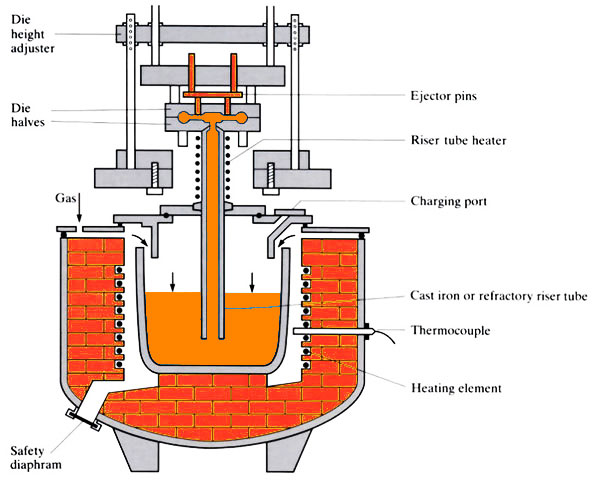
- The mold is mounted above the holding furnace and preheated to the specified temperature to ensure controlled, uniform cooling throughout the cycle.
- Molten aluminum is held in a sealed furnace beneath the mold. Regulated gas pressure (typically 0.06–0.15 MPa) pushes the metal upward through a riser tube and into the mold cavity in a smooth, controlled flow.
- Once the cavity is filled, pressure is increased to the crystallization level and held until the casting is fully solidified — promoting directional solidification from the outer edges inward and minimizing shrinkage defects.
- Upon full solidification, the pressure is released, the mold opens, and the finished casting is extracted.
- An ejector mechanism advances to release the part, and a robotic arm transfers the casting to a side conveyor for cooling and onward processing.
- The casting is finished by trimming any residual gates or sprues and applying any required surface treatments.
Low Pressure Die Casting
Low Pressure Die Casting (LPDC) is a metal casting process in which molten metal is introduced into a mold cavity under controlled low pressure and allowed to cool into a finished casting. Unlike high-pressure die casting, LPDC is optimized for producing parts with superior mechanical properties and is particularly well suited for large, structurally complex components in medium production volumes. Aluminum alloys are the most commonly used material in low-pressure die casting.
Advantages of Low Pressure Die Casting:
Improved Mechanical Properties: Denser castings with fewer internal defects and superior structural integrity.
Controlled Filling: Smooth, low-turbulence metal flow produces a uniform grain structure and better dimensional accuracy.
Medium Geometric Complexity: Capable of producing parts more complex than gravity castings, with greater wall-thickness flexibility than high-pressure die casting.
High Material Efficiency: Minimal turbulence and the absence of risers reduce raw material waste significantly.
Reusable Permanent Molds: Lower long-term tooling costs compared to sand casting, with consistent part-to-part repeatability.
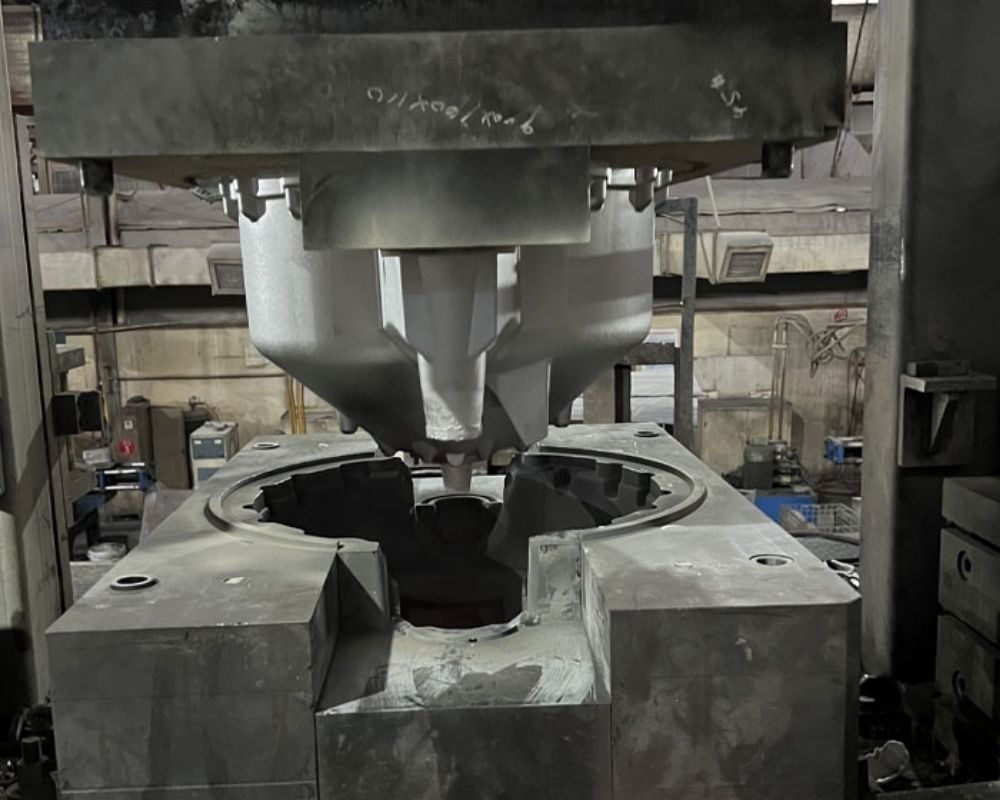
Low Pressure Die Casting at Innovaw
Innovaw's low pressure die casting facility operates 15 fully automated LPDC machines, integrating molten aluminum handling units, metal transport systems, scrap conveyor mechanisms, and finished-part processing units — all governed by an automated control system. Our LPDC products serve a broad range of industries including automotive, aerospace, robotics, industrial equipment, medical devices, marine, and energy. Castings range from 100–1,000 mm in length, 50–800 mm in width, and 40–500 mm in height, with part weights from 500 g to 300 kg and a daily production capacity of 8–10 metric tons.
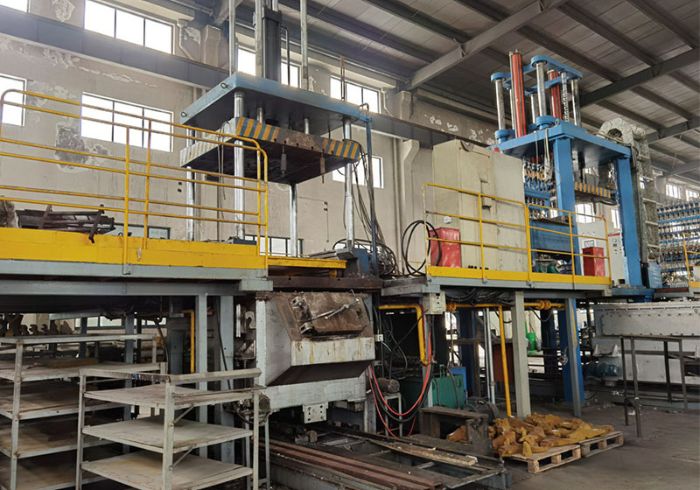
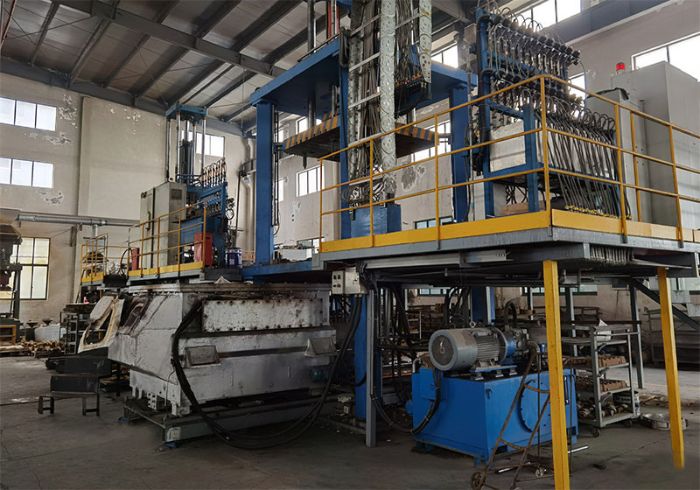
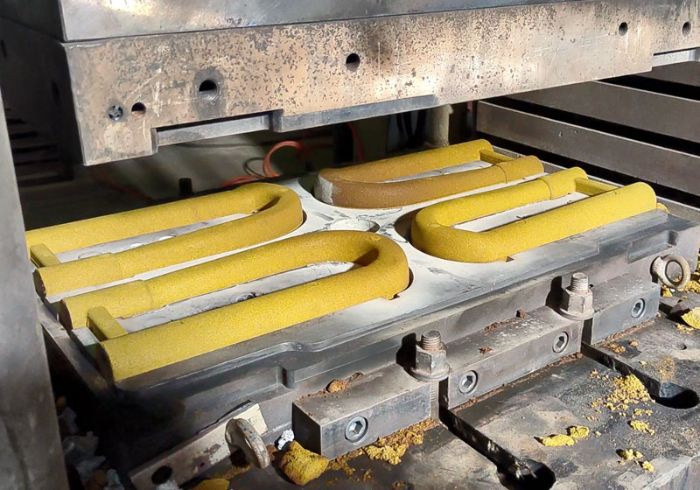
Low Pressure Die Casting Product Cases
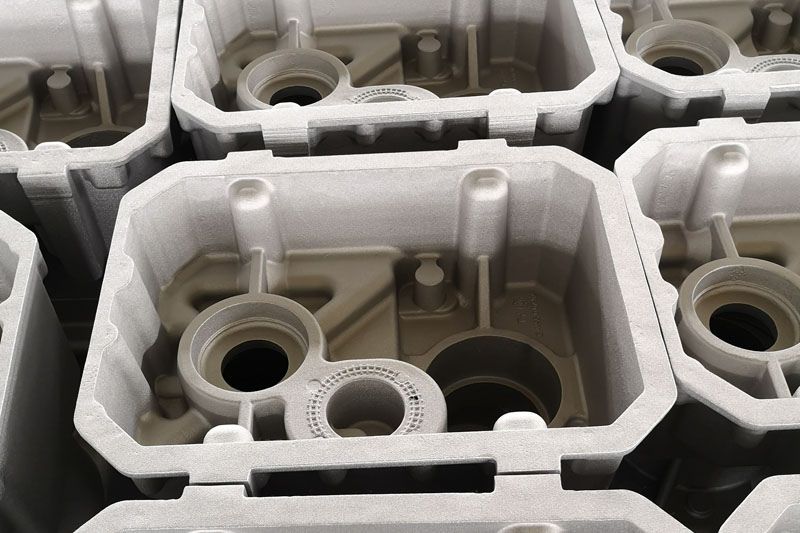
Transmission Housing
Automotive Parts
Automotive Parts
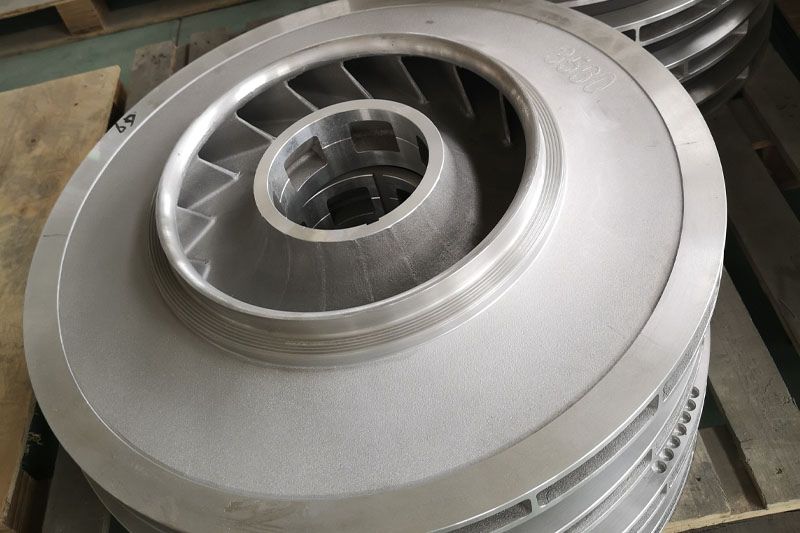
Industrial Fan Housing
Energy Industry
Energy Industry
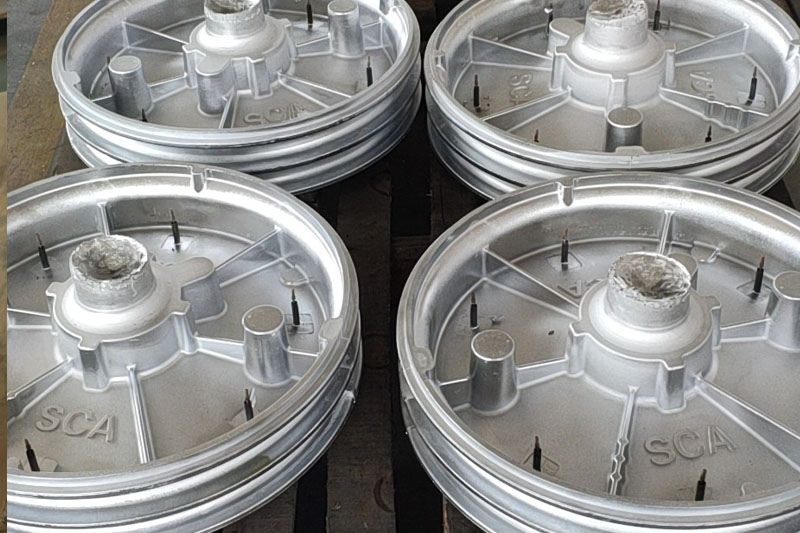
Automobile Wheel Casting
Automotive Components
Automotive Components
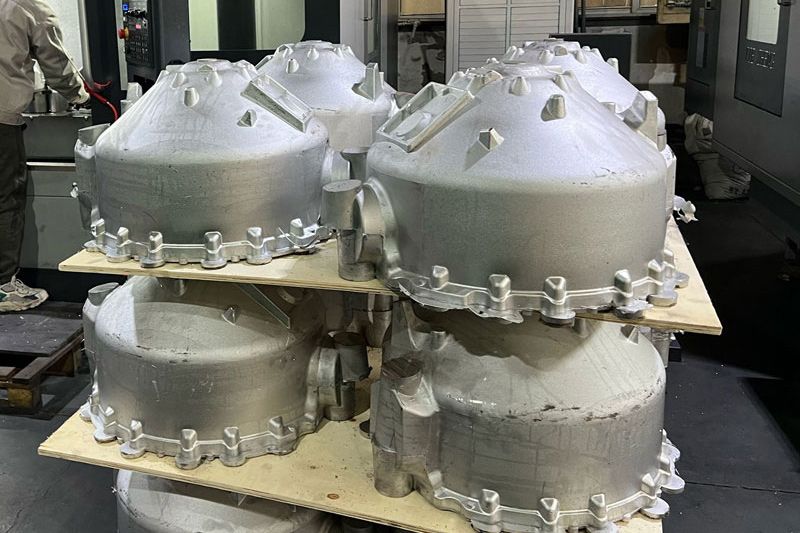
Marine Stabilizer Housing
Marine Equipment
Marine Equipment
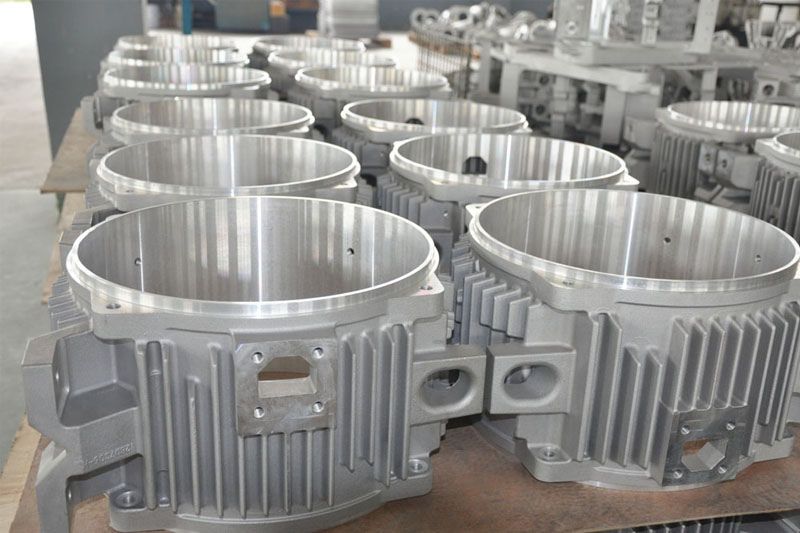
Motor Housing
Industrial Motors
Industrial Motors
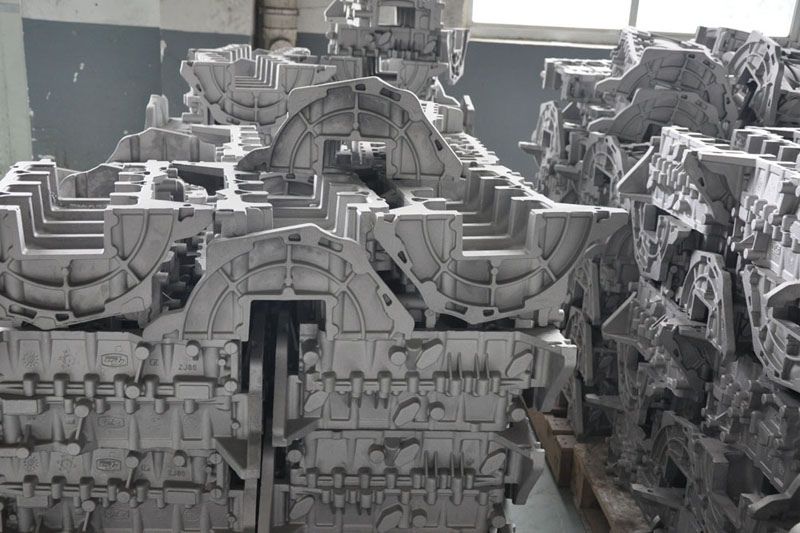
Transmission Housing
Automotive Components
Automotive Components
Material Scope
Innovaw's foundry sources and qualifies materials against ASTM, JIS, DIN, ENAC, ISO, and GB specifications. Aluminum alloy grades commonly used in low-pressure die casting include:
- Aluminum
ASTM-A319, A413, A355, A356, A357
JIS-AC2B, AC4D, AC4C, AC3A, AC4A
DIN-AlSi7Cu4, AlSi5Cu1Mg, AlSi7Mg, AlSi12, AlSi9Mg, AlSi12Cu2Mg1, AlSi6Cu4
ENAC-45000, 45300, 42100, 44100, 43300
How Low Pressure Die Casting Works
LPDC is a precision manufacturing process that uses aluminum as its primary material to produce parts with high dimensional accuracy, excellent surface finish, and outstanding mechanical properties. Upon receipt of customer drawings, Innovaw's engineers perform a DFM analysis to design and manufacture the corresponding low-pressure die casting tooling. Production then follows a structured sequence:
Why Choose Innovaw for Low Pressure Die Casting
Innovaw's primary commitment is to meet — and consistently exceed — customer expectations in quality, delivery, and performance. Our low pressure die casting capabilities are backed by proven production capacity, deep technical expertise, rigorous quality systems, and responsive customer service.
Production Capability
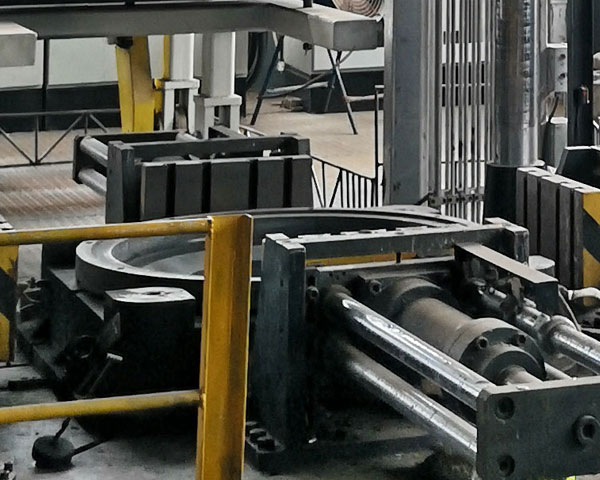
Over more than 20 years of continuous development, Innovaw has built a mature and robust LPDC production system. Our facilities feature standardized workshops and advanced equipment, with full deployment of ERP, robotic automation, and MES visualization management — supporting a daily casting output of 8–10 metric tons.
Our production operations are led by a strong management team supported by more than 20 production management specialists and hundreds of skilled workers — delivering professional, reliable service to customers every day.
From mold development and PPAP approval through serialization, LPDC production, machining, and surface treatment, we provide complete one-stop manufacturing services that create measurable value for our customers.
Technical Capability
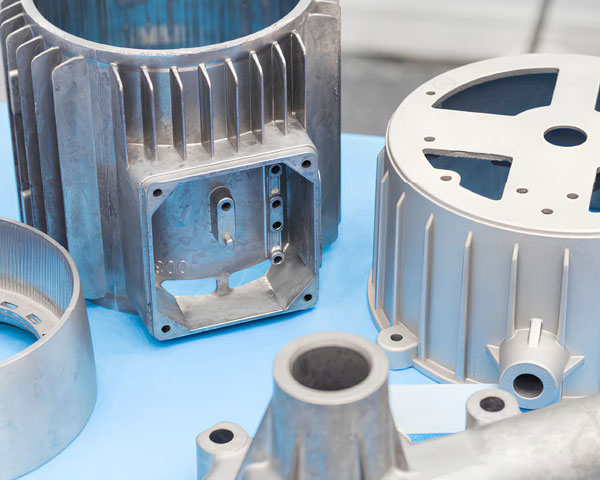
Our engineering team comprises more than 20 engineers and industry specialists, providing comprehensive technical support across the full product development lifecycle.
Drawing on deep process experience, we offer an end-to-end technical service spanning DFM analysis, 3D mold design, mold flow simulation, and rapid prototyping — helping customers move efficiently from drawing to high-quality finished part.
We specialize in developing effective engineering solutions that help customers reduce per-part cost while improving product quality and consistency.
Our team has extensive experience designing and producing geometrically complex parts, with particular expertise in using sand cores to achieve intricate internal cavity structures that would otherwise be unachievable in permanent tooling.
Quality Control
All Innovaw low pressure die casting products are produced and managed under the IATF 16949 quality management system.
We apply the full suite of automotive core quality tools — APQP, FMEA, PPAP, MSA, and SPC — to maintain rigorous in-process control at every production stage.
Regular process audits are conducted in accordance with VDA 6.3, and product audits are performed under VDA 6.5, ensuring consistent process integrity and product conformance.
Customer complaints are addressed systematically through 8D methodology, with root cause analysis and corrective actions documented and tracked to closure.
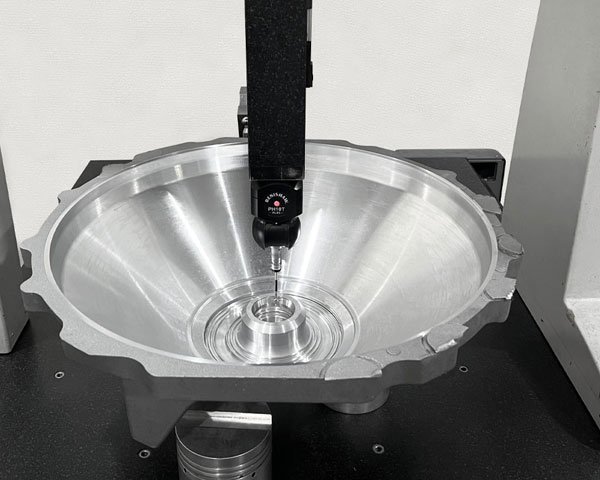
Every part undergoes full-process inspection — from first article through final inspection — using equipment including spectrometers, 3D scanners, X-ray imaging, and ZEISS CMM coordinate measuring machines.
Is Low Pressure Die Casting Right for Your Product?
In precision metal parts manufacturing, process selection has a direct bearing on product quality, cost, and market competitiveness. Low-pressure die casting is a highly controllable metal forming technology that has become the process of choice for a wide range of demanding applications — thanks to its unique combination of structural performance, dimensional precision, and material efficiency.
1. What types of products are best suited for low pressure die casting?
LPDC is an excellent fit for aluminum parts that share one or more of the following characteristics:
- Complex thin-walled structures: such as automotive wheels, engine cylinders, or electronics enclosures. These parts demand both low weight and high strength. LPDC's smooth, controlled cavity fill effectively eliminates the cold shuts and misruns that can occur with conventional casting methods.
- High surface quality requirements: where the as-cast surface serves directly as a cosmetic or functional face — such as premium lamp brackets and decorative components — LPDC's laminar fill minimizes surface porosity, with achievable surface finishes of Ra 3.2 μm or better.
- High internal density requirements: for parts that must withstand elevated pressure or mechanical loads — such as hydraulic valve bodies and aerospace structural joints — LPDC's pressure-compensation mechanism significantly reduces internal shrinkage and porosity.
- Medium and large thick-walled castings: LPDC's stable, controlled fill is well suited to castings ranging from a few hundred grams to tens of kilograms. Its pressure-compensation effect is particularly advantageous for thick-walled parts such as automotive chassis brackets, where gravity casting often falls short.
2. Five core advantages of the low pressure die casting process
For the product types described above, LPDC offers a set of technical advantages that are difficult to replicate with alternative processes:
- High material utilization, lower cost: LPDC eliminates the need for risers, achieving metal recovery rates above 90%. Aluminum remaining in the filling system is fully recyclable, significantly reducing raw material waste and per-part cost.
- Superior casting integrity: sustained pressure compensation (typically 0.06–0.15 MPa) produces a dense internal microstructure. Tensile strength can be 15–20% higher than equivalent gravity castings, with simultaneous improvements in elongation.
- Precision forming capability: controlled fill velocities (0.5–1.5 m/s) and smooth metal flow enable reliable formation of wall sections as thin as 3 mm, with dimensional accuracy conforming to CT6–CT8 under ISO 8062.
- Environmentally responsible process: low energy consumption, minimal fume generation, and an aluminum oxidation loss rate below 1% make LPDC a process well aligned with sustainable manufacturing requirements.
- Flexible, scalable production: compatible with permanent metal tooling for high-efficiency volume production (e.g., automotive components), and readily combined with sand cores for complex internal geometries (e.g., engine cylinder heads) — offering broad process versatility.
Whether the application demands the lightweight strength required by new energy vehicle structures, or the dimensional precision expected of consumer electronics components, low-pressure die casting delivers a compelling balance of material efficiency, mechanical performance, and forming precision — making it a proven and scalable path from design to production.
Technical Capabilities
Request a Quote
Name can't be empty
Email error!
Send Your Message
Note: If you are looking for a job, please send an email to it2@innovaw.com